A business website rarely needs a redesign simply because it looks outdated. More often, it needs one because it no longer supports the business behind it. The website may still be online, but it isn't generating…
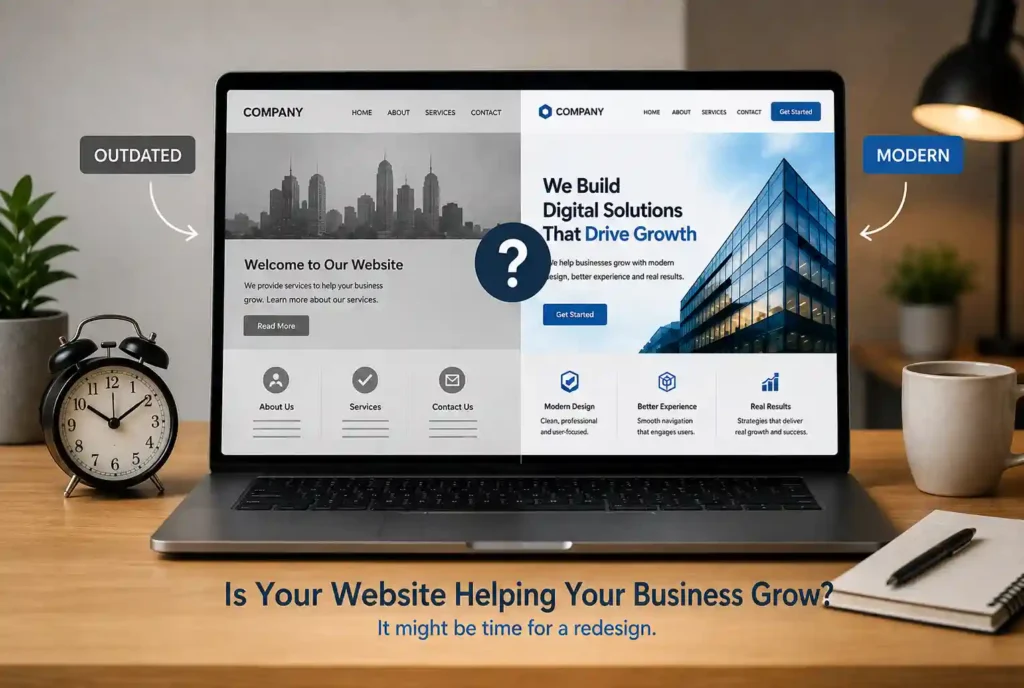
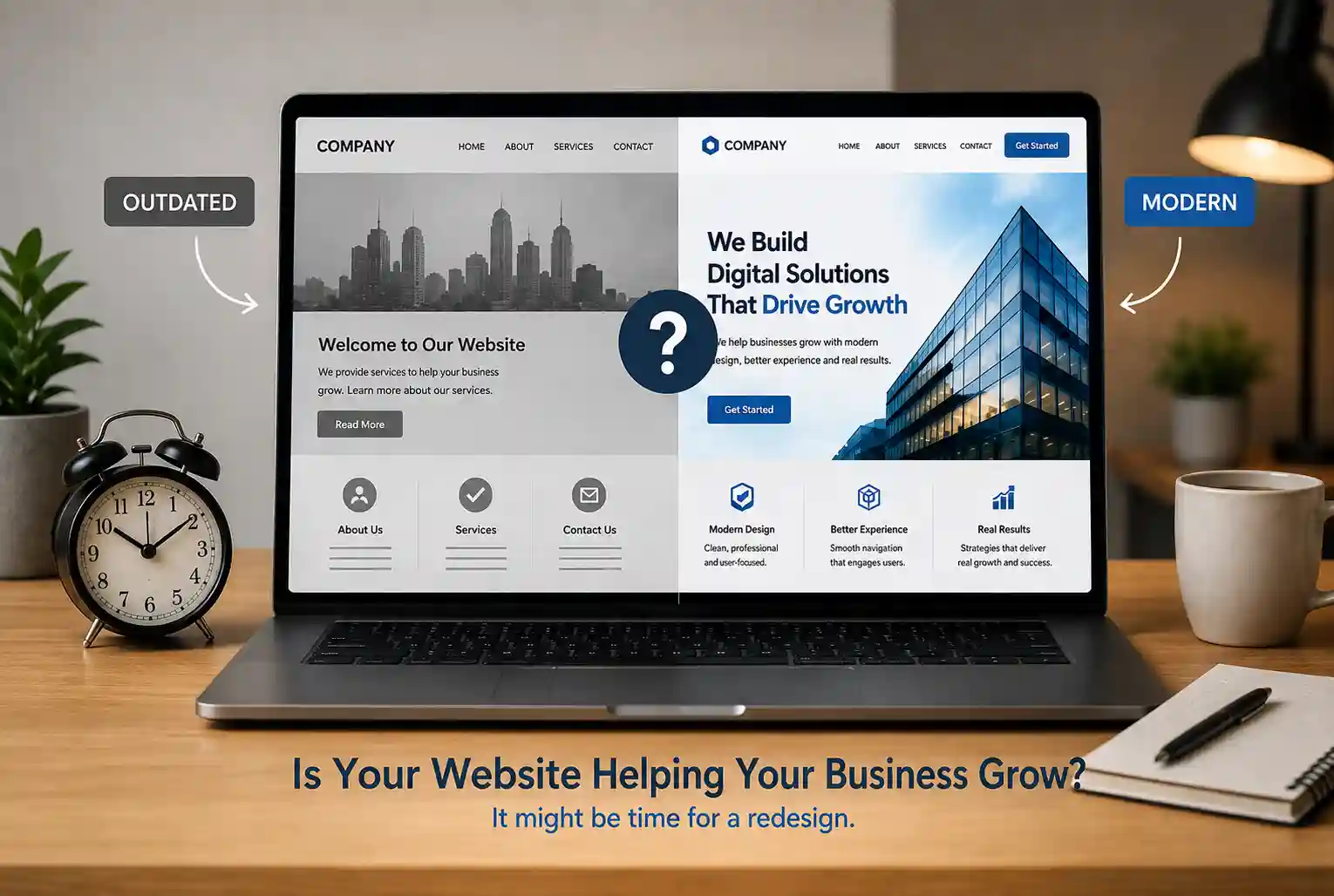
A business website rarely needs a redesign simply because it looks outdated. More often, it needs one because it no longer supports the business behind it. The website may still be online, but it isn’t generating enquiries, building trust, or helping visitors take the next step. As your business grows, your Business website should grow with it. When it doesn’t, it gradually becomes a barrier instead of an asset. Professional website redesign services help businesses align their websites with their current goals and customer expectations.
Many business owners assume declining enquiries or poor online performance are caused by increased competition or changing customer behaviour. While those factors can play a role, we’ve often found that the website itself is the missing piece. Businesses continue investing in SEO, Google Ads, and social media marketing, but visitors still leave without making contact because the website no longer meets their expectations.
If you’re wondering when to redesign a website, the answer isn’t based on how old it is. It’s based on whether it still reflects your business, supports your marketing efforts, and gives potential customers enough confidence to choose you over a competitor. Before deciding whether you need a complete redesign, it’s worth taking a closer look at the signs your website may already be giving you.
Your Website No Longer Reflects Your Business
Most businesses evolve over time. They introduce new services, target different customers, improve their processes, and strengthen their reputation. Unfortunately, many websites remain exactly as they were when they were first launched. The result is a business that has moved forward while its online presence has stayed behind.
We’ve reviewed websites that still highlighted services the business no longer offered or failed to mention their most profitable solutions. In other cases, the design looked dated, the messaging no longer reflected the company’s expertise, and important trust signals were missing altogether. Visitors formed an impression within seconds, and that impression no longer matched the quality of the business.
Your website should represent who you are today, not who you were three or five years ago. If potential customers can’t immediately understand what makes your business different, they have little reason to stay and explore further.
Once your website stops representing your business accurately, the next challenge becomes even more important. Visitors may continue finding your website, but they won’t necessarily become customers.
Visitors Are Leaving Without Taking Action
A website doesn’t succeed because people visit it. It succeeds because visitors take action. Whether your goal is generating enquiries, booking consultations, selling products, or encouraging phone calls, every page should guide visitors towards a clear next step. If traffic continues growing while conversions remain unchanged, the problem often lies with the website rather than your marketing.
In our experience, businesses sometimes focus heavily on increasing traffic while overlooking what happens after visitors arrive. The website may provide information, but it doesn’t answer the questions people need before making a decision. Calls to action are weak, important services are difficult to find, and the overall experience leaves visitors uncertain about what to do next.
Common warning signs include:
- High bounce rates on important pages.
- Very few contact form submissions.
- Visitors spending only a short time on the website.
- Strong traffic but poor enquiry rates.
- Customers mentioning they couldn’t find important information.
These problems rarely disappear on their own. A structured conversion rate optimization strategy helps identify and remove the barriers preventing visitors from becoming customers. They usually indicate that the website no longer supports the customer journey effectively. Improving conversions sometimes requires small changes, but if multiple areas of the website create friction, a redesign often delivers better long-term results.
Your Website Feels Outdated Compared to Your Competitors
Customers compare businesses more often than many owners realise. They visit several websites, compare services, read reviews, and decide which business appears most professional before making contact. Even if your services are excellent, an outdated website can create doubts that influence those decisions. This doesn’t mean every business needs the latest design trends or expensive animations. It means the website should look modern, organised, and trustworthy. Clean layouts, consistent branding, high-quality imagery, and clear navigation all contribute to a positive first impression.
We’ve seen businesses with decades of experience lose opportunities to newer competitors simply because their websites created more confidence. The newer company wasn’t necessarily better. Their website simply communicated professionalism more effectively. A redesign isn’t about making your website look fashionable. It’s about ensuring your online presence reflects the same quality that customers experience when they work with your business. First impressions matter, but today’s customers expect much more than attractive design.
Your Customers Expect a Better Mobile Experience
For many businesses, mobile devices now generate more website visits than desktop computers. If your website doesn’t perform well on smaller screens, you’re creating unnecessary friction for a large percentage of potential customers. Poor mobile experiences appear in different ways. Visitors may need to zoom to read text, buttons become difficult to tap, images don’t scale correctly, or forms become frustrating to complete. These issues might seem minor individually, but together they create an experience that encourages people to leave before taking action.
We’ve audited websites that looked excellent on desktop computers but became difficult to use on mobile devices. Business owners rarely noticed because they managed the website from their office computers, while most of their customers were browsing from phones.
A modern website should provide the same experience regardless of the device someone is using. When visitors can quickly find information, navigate easily, and contact your business without frustration, they’re far more likely to continue their journey. Providing a better mobile experience also supports another area that directly influences both customer satisfaction and search visibility.
Slow Performance Is Costing You More Than Time
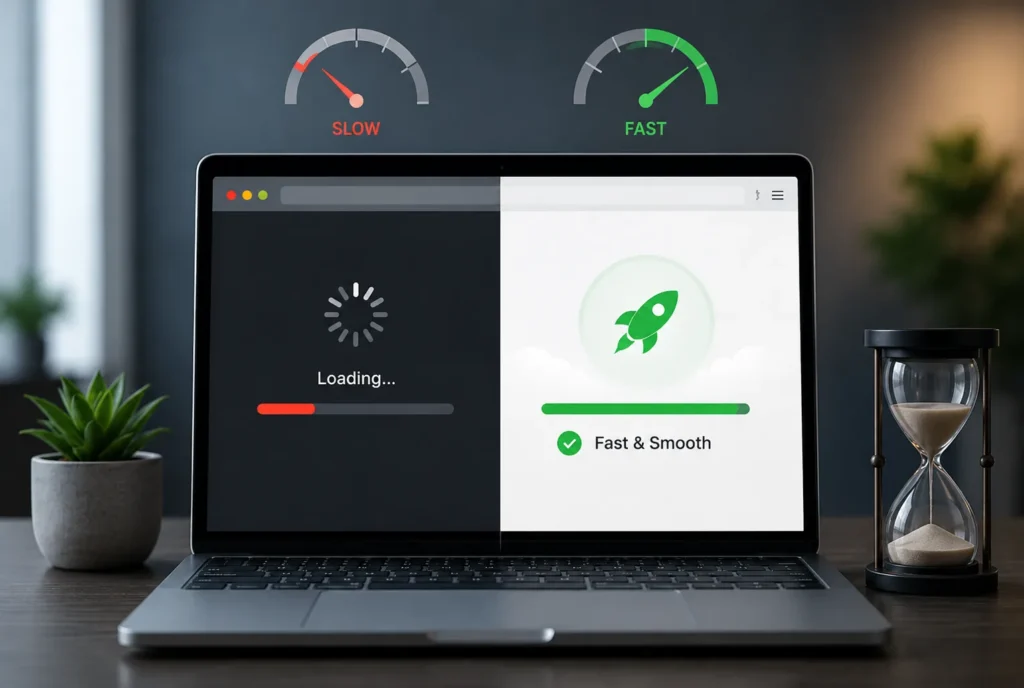
Website speed is often discussed as a technical issue, but its impact is far more practical. Every extra second a visitor waits creates another opportunity for them to leave and explore another business instead. Slow websites affect first impressions, user experience, and even how search engines evaluate your pages. More importantly, they interrupt the customer journey before visitors have a chance to understand what your business offers.
We’ve worked with businesses that invested heavily in SEO and advertising but continued struggling to generate enquiries because their website loaded too slowly. The marketing was bringing visitors to the website, but the website itself wasn’t helping those visitors stay engaged.
Some common causes of poor performance include:
- Large, unoptimized images.
- Outdated themes or plugins.
- Poor-quality hosting.
- Excessive third-party scripts.
- Years of technical changes without regular optimisation.
In some cases, these issues can be resolved through optimisation alone. Our website speed optimization services address many of these performance issues before they begin affecting conversions. However, if slow performance is only one of several ongoing problems, it may indicate that your website has reached the point where a redesign is the more effective long-term solution.
Your Website Is Becoming Difficult to Update and Manage
A website should make your work easier, not create another task that constantly demands attention. If every small update requires technical support, adding a new service feels complicated, or you’re hesitant to make changes because something might break, your website is no longer working for your business.
This is something we see regularly with older websites. They may still function, but they were built using outdated tools, unsupported themes, or custom code that has become difficult to maintain. As the business grows, even simple updates become more time-consuming and expensive than they should be.
Over time, this creates another problem. Businesses stop updating their websites altogether. New services aren’t added, outdated information remains online, and opportunities to improve the customer experience are missed because making changes feels too risky. A modern website should be flexible enough to grow alongside your business rather than holding it back.
When maintaining a website becomes more difficult than improving it, it’s often a sign that the underlying structure needs to be reconsidered. That also has a direct impact on your long-term search visibility.
Your SEO Growth Has Started to Stagnate
Search engine optimisation isn’t only about publishing new content or building backlinks. The website itself plays an important role in determining how easily search engines can crawl, understand, and rank your pages. An older website may contain outdated page structures, duplicate content, poor internal linking, slow loading speeds, or technical issues that gradually limit SEO performance. Individually, these problems may seem manageable. Together, they make it harder for your website to compete, even when you’re investing in ongoing SEO.
We’ve worked with businesses that continued publishing valuable content every month but saw very little improvement in rankings. After reviewing the website, the problem wasn’t the content strategy. The website simply wasn’t providing the technical foundation needed to support long-term SEO growth. A technical SEO audit can uncover hidden issues that limit your website’s search performance.
Some common signs include:
- Organic traffic has stopped growing.
- Important service pages struggle to rank.
- Core Web Vitals continue to perform poorly.
- Technical SEO issues keep reappearing.
- New content takes longer to gain visibility.
A redesign won’t automatically improve rankings, but it can remove the technical limitations that prevent your SEO strategy from reaching its full potential. If several of these warning signs sound familiar, the next question becomes much more important.
Should You Redesign or Improve Your Existing Website?
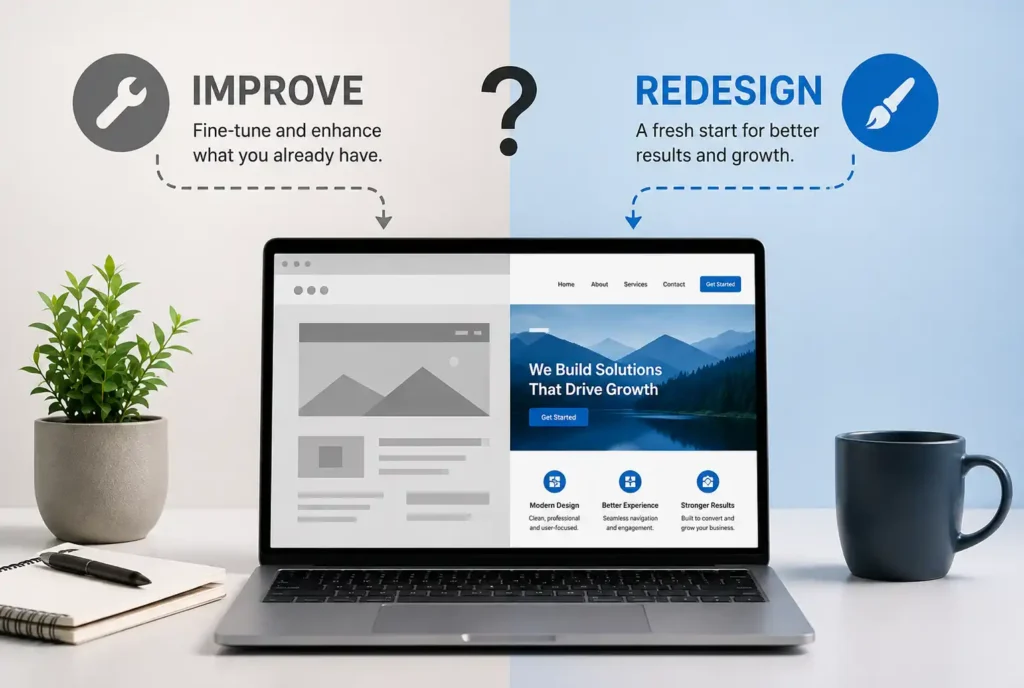
Not every website needs a complete redesign. Sometimes a series of targeted improvements can solve the problem without rebuilding everything from the ground up. If your website has a modern design, performs well, and only requires small technical improvements, optimisation is usually the smarter investment. Updating content, improving page speed, strengthening internal linking, or simplifying navigation can often deliver meaningful results.
However, if the website suffers from multiple issues at the same time, such as outdated design, poor user experience, declining conversions, slow performance, and ongoing technical limitations, continuing to patch individual problems may become more expensive than redesigning the website properly.
We’ve found that businesses achieve the best long-term results when they look beyond individual issues and evaluate whether the website still supports their overall business goals. A redesign should never be based on appearance alone. It should solve the problems that are limiting growth. One example illustrates this particularly well.
A Real-World Example
Consider a service-based business that had been using the same website for several years. The company had grown, introduced new services, and invested consistently in SEO, yet enquiries had remained almost unchanged. At first, they believed the market had simply become more competitive. When we reviewed the website, the problem became much clearer. The design no longer reflected the business, important services were difficult to find, mobile navigation created unnecessary friction, and several technical issues affected both user experience and SEO. Individually, none of these problems seemed serious. Together, they created a website that no longer supported the company’s growth.
Rather than making small adjustments across dozens of pages, the business chose a strategic redesign. The updated website simplified navigation, improved mobile usability, strengthened calls to action, and presented services in a way that better matched customer expectations. The redesign wasn’t about creating a different-looking website. It was about creating a website that worked harder for the business. Instead, it focused on delivering a strategic website redesign that supported measurable business growth.
This is a situation we encounter regularly. Businesses rarely redesign their websites because of one problem. They do it because several small limitations gradually combine into one much larger obstacle.
Why Choose Avenzo Digital
At Avenzo Digital, we believe a website redesign should solve business problems, not simply introduce a new visual style. Every redesign begins by understanding what is preventing your current website from supporting enquiries, conversions, and long-term growth.
Our approach combines strategy, user experience, technical performance, and SEO to create websites that are easier to manage, faster to use, and better aligned with your business objectives. Rather than focusing only on appearance, we redesign websites that help businesses build trust, improve customer experiences, and generate better results.
Whether your website needs a complete transformation or a carefully planned improvement strategy, our goal remains the same—to create a website that continues supporting your business as it grows.
Conclusion
Knowing when to redesign a website isn’t about following the latest design trends or replacing your website every few years. The right time comes when your website no longer reflects your business, struggles to convert visitors, limits your marketing efforts, or creates unnecessary challenges for both your customers and your team.
A successful website should do more than provide information. It should build confidence, guide visitors naturally through their decision-making process, and support every stage of your digital marketing strategy. When it stops doing those things, a thoughtful redesign becomes an investment in future growth rather than an unnecessary expense.
If you’re unsure whether your website needs a redesign, book a consultation with our team for a professional website assessment. Before deciding on a complete redesign, take an honest look at how your website performs today. If several of the signs discussed in this article sound familiar, it may be time to stop making temporary improvements and start building a website that’s ready for the next stage of your business.
Frequently Asked Questions
How do I know when to redesign a website?
If your website no longer reflects your business, generates fewer enquiries, performs poorly on mobile devices, or has ongoing technical issues, it may be time to consider a redesign.
How often should a business website be redesigned?
There isn’t a fixed timeline. Most businesses should review their website every few years and redesign it when it no longer supports their goals, customer expectations, or marketing strategy.
Can a website redesign improve SEO?
A redesign can improve the technical foundation of your website by addressing issues such as page speed, mobile usability, site structure, and user experience. These improvements support stronger long-term SEO performance.
Is it better to redesign a website or update the existing one?
It depends on the condition of your current website. Minor issues can often be resolved through optimisation, but websites with multiple design, performance, and usability problems usually benefit more from a strategic redesign.
Will I lose my search rankings after a website redesign?
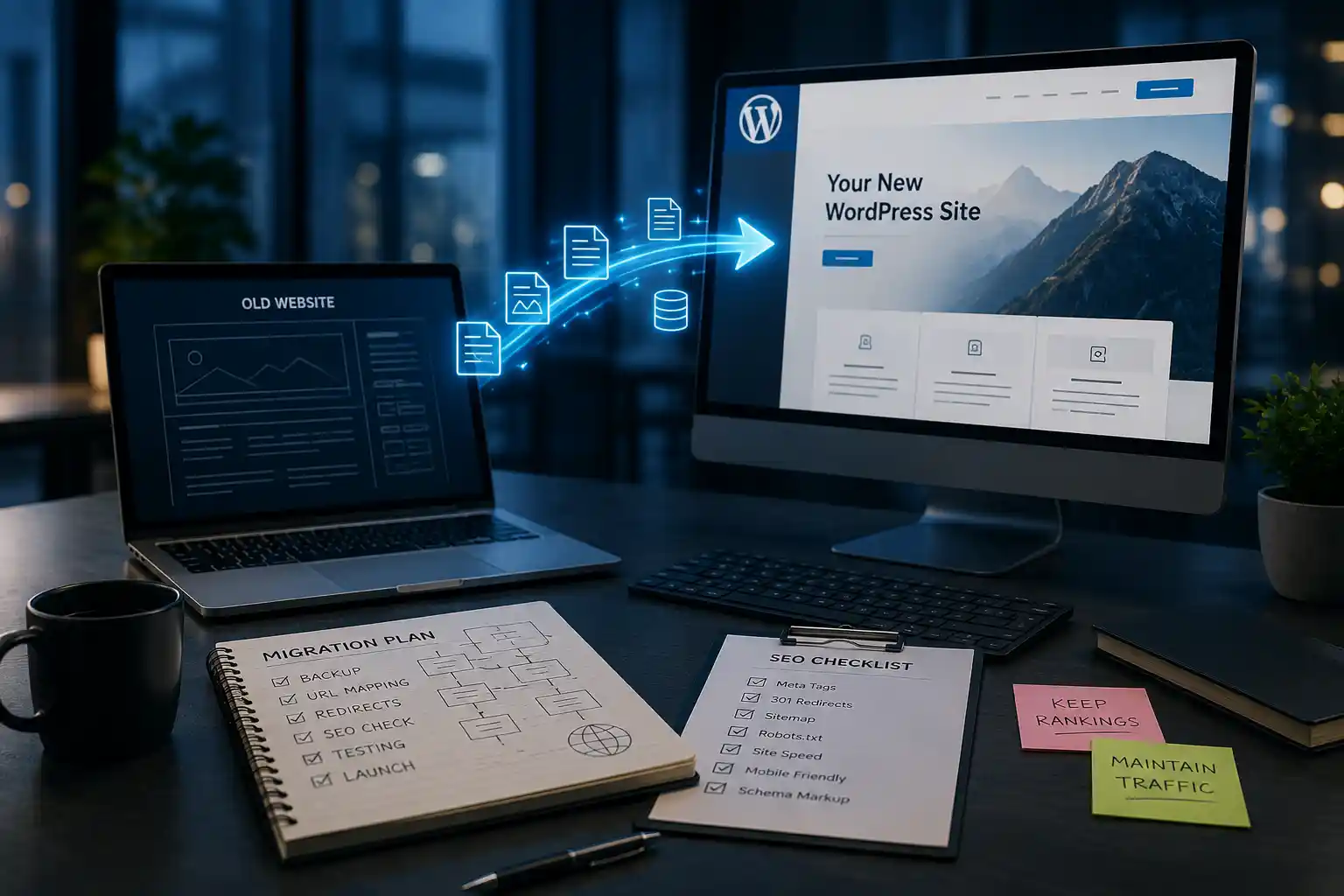
Not if the redesign is planned correctly. Maintaining URL structures where appropriate, implementing proper redirects, and preserving valuable SEO elements can help protect existing rankings while improving overall website performance.
Related Avenzo Service
If the issue needs design or development work rather than guidance alone, explore Avenzo’s website design and development services.
Website Design & Development →