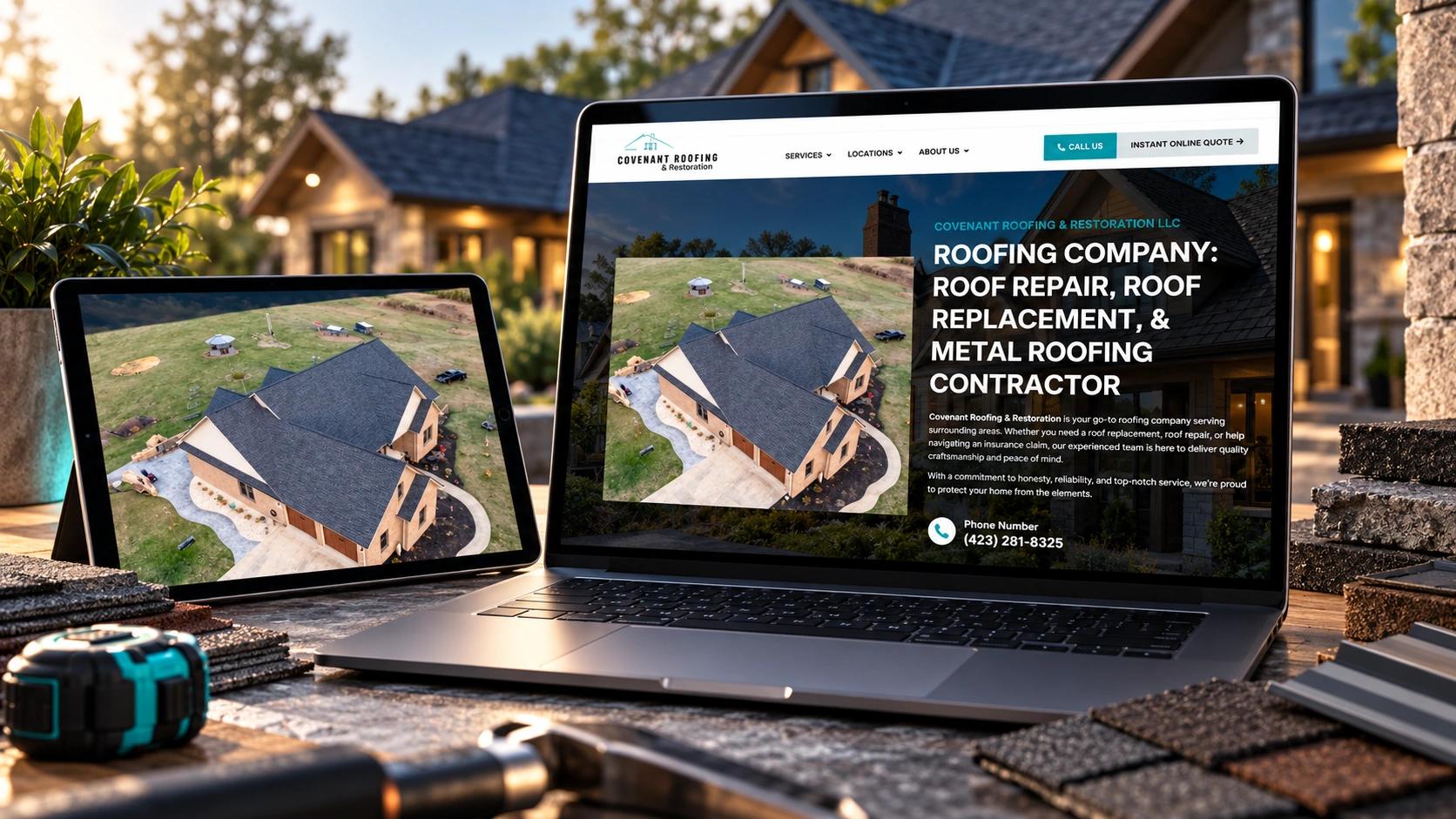
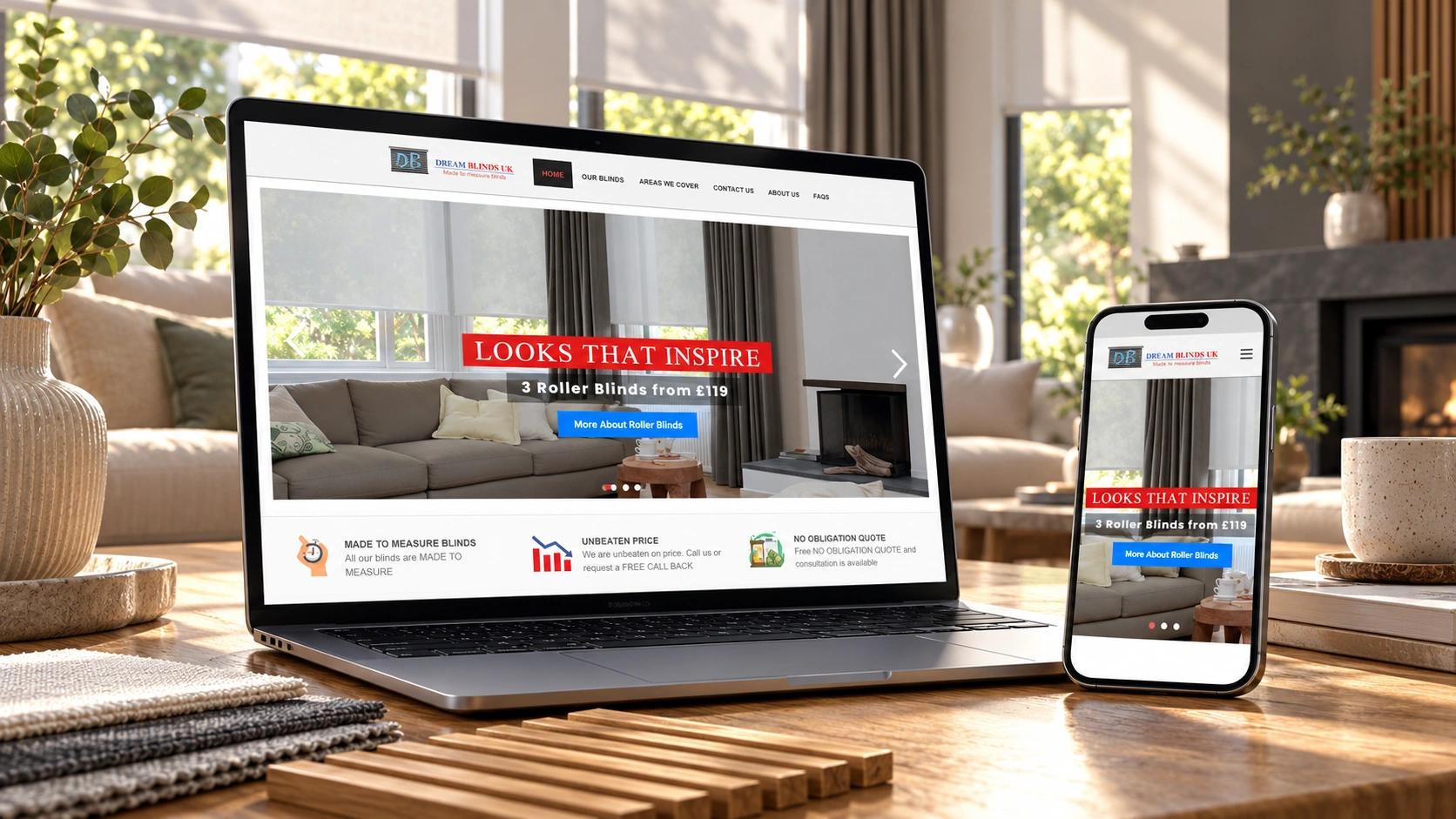
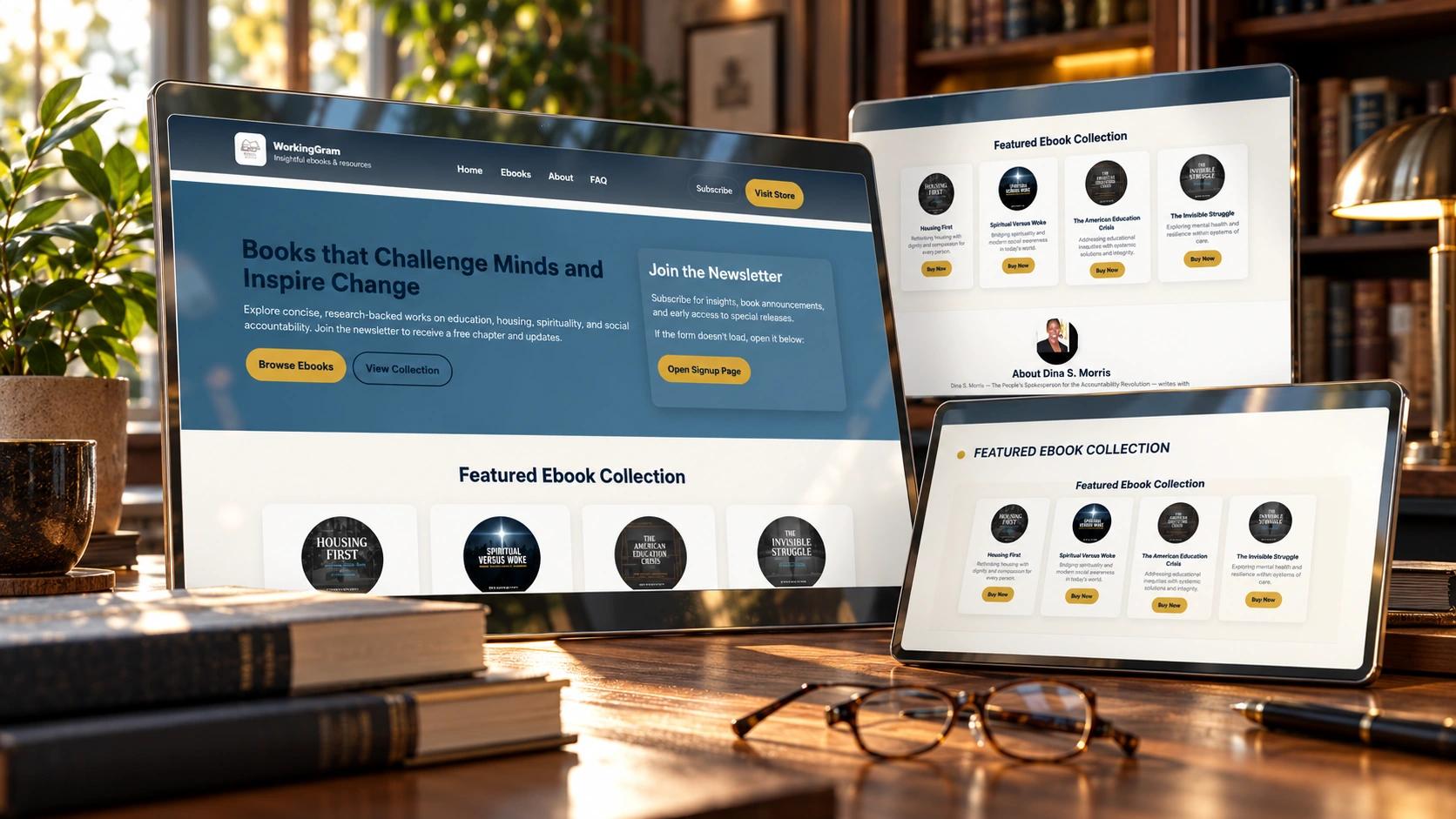
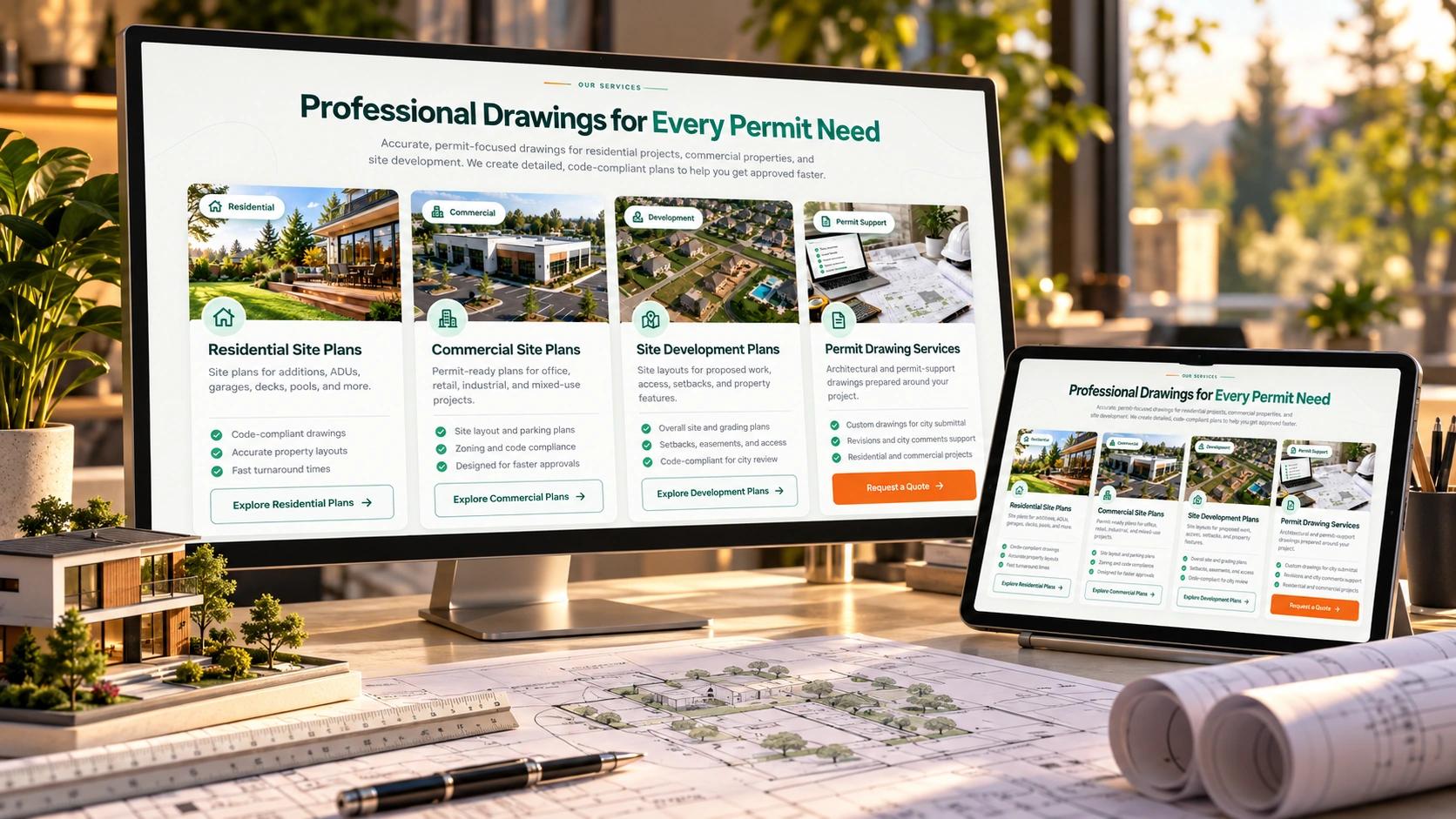
Understand & plan
Your goals before our tools.We review your audience, content, current website and integrations. A sitemap, CMS plan and agreed scope give the project a clear direction.
WordPress design & development
Avenzo Digital designs and develops custom WordPress websites that bring your brand, content and business tools together. Clear for your customers. Practical for the people behind it.
Explore our WordPress workStarting fresh or improving what you have? Let’s find the right approach.
We’ll review your requirements before recommending a scope. Client reviews
 Reviews via DesignRush
 Agency profile
A better foundation
Your website needs to explain your business, help people take the next step and give your team room to grow. The technology should support that job.
We plan the content structure, design the customer experience and build the editing system together. That means fewer disconnected decisions and a website that works as one.
Find the right serviceReusable templates and clear editing controls.
Content, navigation and enquiry routes planned together.
A build scoped around the tools you actually need.
Your website, your business model
Avenzo Digital connects WordPress website design and development around what people need to understand, do and manage. We start with the business requirement, then choose the templates, plugins and integrations that support it.
A clearer route to an enquiry
A service website needs more than a list of capabilities. Visitors need to understand who you help, what the service involves and why taking the next step makes sense. We plan service pages, relevant project examples and enquiry routes around those decisions.
For a B2B WordPress website, this can mean clearer solution pages, downloadable resources and forms that capture the right context. For a local service business, it may mean location information, service-area navigation and a straightforward mobile contact experience.
Plan your service websiteFrom product discovery to checkout
WooCommerce website development connects the storefront to the work behind each order. Product types, variations, categories, payments, shipping and integrations all influence the build. We scope these requirements before designing the product and checkout experience.
Reusable product layouts and a considered catalogue structure help your team maintain the store as it grows. Where subscriptions, bookings or specialist rules are needed, we review suitable extensions and custom functionality before recommending the approach.
Discuss your online storeA system your team can grow
When your team publishes articles, resources or repeated service pages, the content management system becomes part of everyday work. Custom post types, taxonomies, blocks and fields can make that information easier to organize and maintain.
For an existing website, we assess what should be kept before proposing a rebuild. Useful content, familiar editing workflows and important URLs may deserve continuity. A focused WordPress redesign or targeted development work may be more appropriate than replacing everything.
Simplify your content workflowA clear next step
Tell us what you want to improve. We’ll help you decide whether a focused fix, a redesign or a new WordPress build is the right place to start.
Make the everyday easier
Move the sliders to explore what a simpler editing workflow could mean for your team.
A planning illustration based on your inputs, not a promised saving. Actual results depend on your content, workflow and implementation.
Let’s simplify your workflowWhat we do
A complete new build or focused help with design, publishing, commerce, integrations and maintenance. Explore what each service covers.
Start with the decisions that prevent expensive rework: who the site serves, what each page needs to do, how content is organized and who will maintain it. We turn those requirements into a sitemap, content model and practical build scope.
Make your offer easier to understand and your next step easier to find. We design responsive layouts around your brand, content and customer journeys, with reusable components that keep future pages consistent.
Give your marketing team visual editing control with a planned Elementor system. Shared styles and reusable templates help reduce one-off formatting, while performance and plugin choices remain part of the development brief.
Use native WordPress blocks, patterns and custom fields to make publishing more structured. We define what editors can change and what should stay consistent, so routine updates do not require rebuilding the layout.
Connect product discovery, product information and checkout into a clear buying journey. We scope product types, payments, shipping and operational integrations around how your business actually sells.
When a standard plugin is not the right fit, connect WordPress to the systems your team already uses. Forms, CRMs and third-party APIs are scoped with data handling, failure states and long-term maintenance in mind.
Review the causes of slow pages and fragile behavior rather than adding another optimization plugin by default. Hosting, caching, images, scripts and theme behavior all matter, alongside crawlability, access controls and update planning.
Protect useful content and working journeys when you change the site. We plan backups, URL mapping, redirects and launch checks, then define the support needed for updates, fixes and future improvements. Search visibility can fluctuate during a migration.
How it works
Four connected stages, with review points that keep the work moving in the right direction.
Talk through your projectWe review your audience, content, current website and integrations. A sitemap, CMS plan and agreed scope give the project a clear direction.
Wireframes and responsive designs establish the hierarchy, navigation and visual system. Your feedback shapes the experience before development.
Reusable WordPress templates, content fields and integrations turn the approved design into a working website, with practical editing controls.
We check responsive layouts, forms, performance foundations and agreed redirects, then guide your team through the CMS and handover.
What you get
Every part has a purpose. Explore the five foundations we plan around your agreed project scope.
A sitemap and content plan connect your offer, your customers’ questions and the next step. We agree page priorities before the design begins.
Responsive page designs, reusable components and consistent typography give your website a clear visual direction across screens.
Elementor templates or native WordPress blocks make recurring content practical to manage. We define what editors can change and how layouts stay consistent.
The agreed build connects enquiries, products or bookings to the tools your business uses. Integration scope and data handling are planned before development.
Responsive QA, form checks, redirects where needed and CMS guidance prepare the website and your team for launch. Support options are agreed separately.
Inside the work
Original Avenzo portfolio work. Explore the design, content and customer journeys behind each project.
Built for the people using it
We recommend the editing model after understanding your content, team and functionality. There’s no single setup that fits every business.
Visual editing for marketing teams that need flexible layouts. Shared styles and reusable templates keep recurring pages consistent.
Native WordPress blocks, content patterns and custom fields make structured publishing practical.
Product information, categories, payments and checkout planned around how customers buy and your team operates.
We review image delivery, scripts, caching and responsive behaviour alongside page hierarchy, metadata and internal links. Migration projects also need a content inventory, URL mapping and redirect checks. Hosting, premium licenses and ongoing maintenance are agreed in your proposal.
Decisions behind the design
Custom development should solve a requirement. We consider how a choice affects editing, design consistency, performance and the cost of maintaining the website after launch.
Brand-led layouts
WordPress theme development defines how content becomes a usable page. A custom theme, a block theme or a carefully configured existing theme can each suit different requirements. We plan the recurring page types and responsive layouts before choosing the implementation.
Shared typography, spacing and components help new pages stay consistent. Customization belongs in maintainable templates and components, rather than repeated manual changes across individual pages. WordPress distinguishes between themes for presentation and plugins for functionality that should survive a design change. Read the WordPress theme guidance.
Discuss this requirementChange the layout. The same content adapts.
Connected requirements
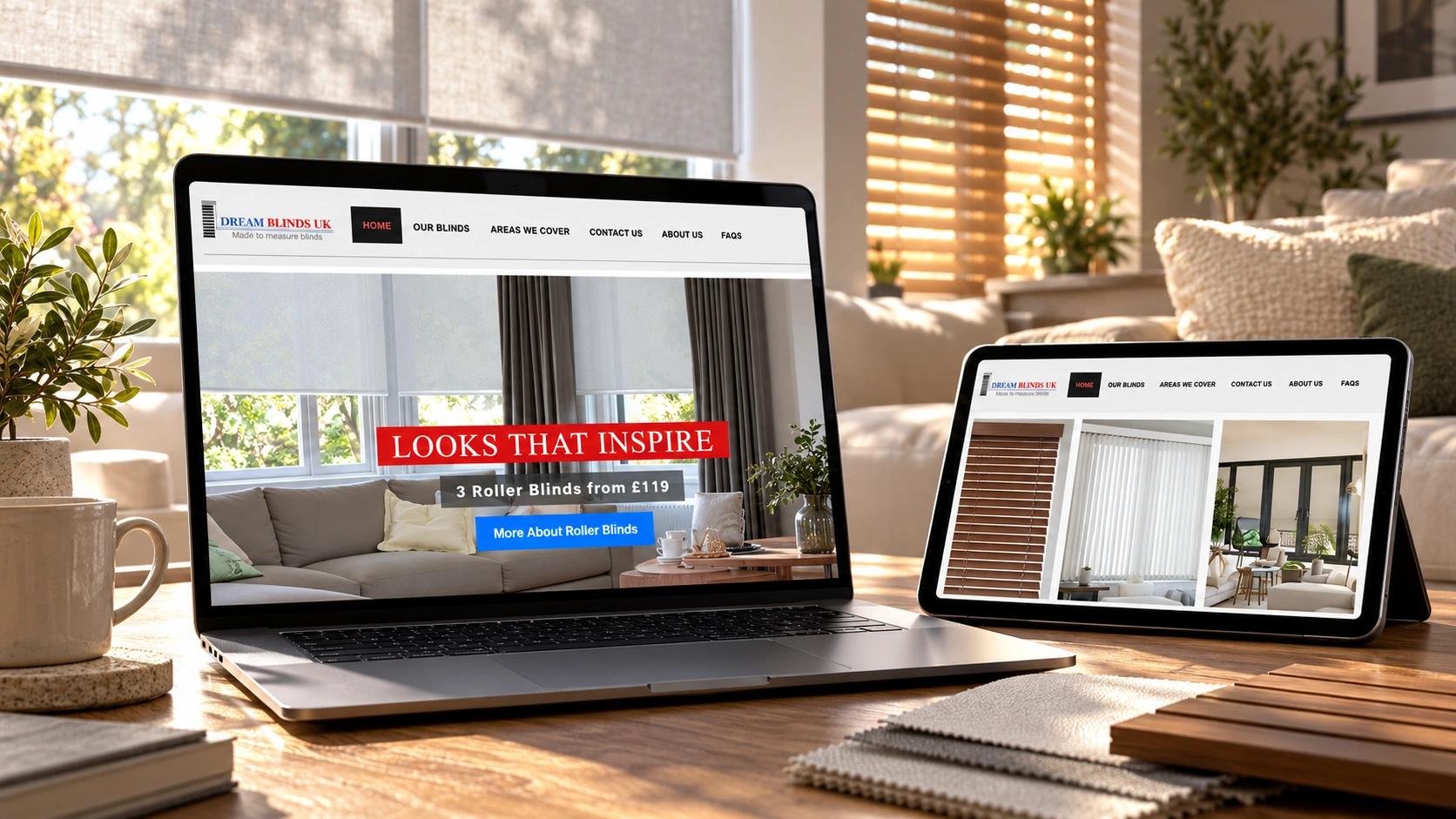
Established plugins can be the practical choice when they meet the requirement and have a suitable maintenance model. Custom WordPress plugin development becomes relevant when the business needs specific behaviour that standard tools cannot provide cleanly.
For CRM, booking, email or other API integrations, we map what information moves, when it moves and what happens if a request fails. Access permissions, validation, error handling and documentation belong in the integration scope. We also clarify which subscriptions and third-party accounts your business needs to maintain.
Discuss this requirementAn illustration only. No data is sent to a CRM.
Reusable content
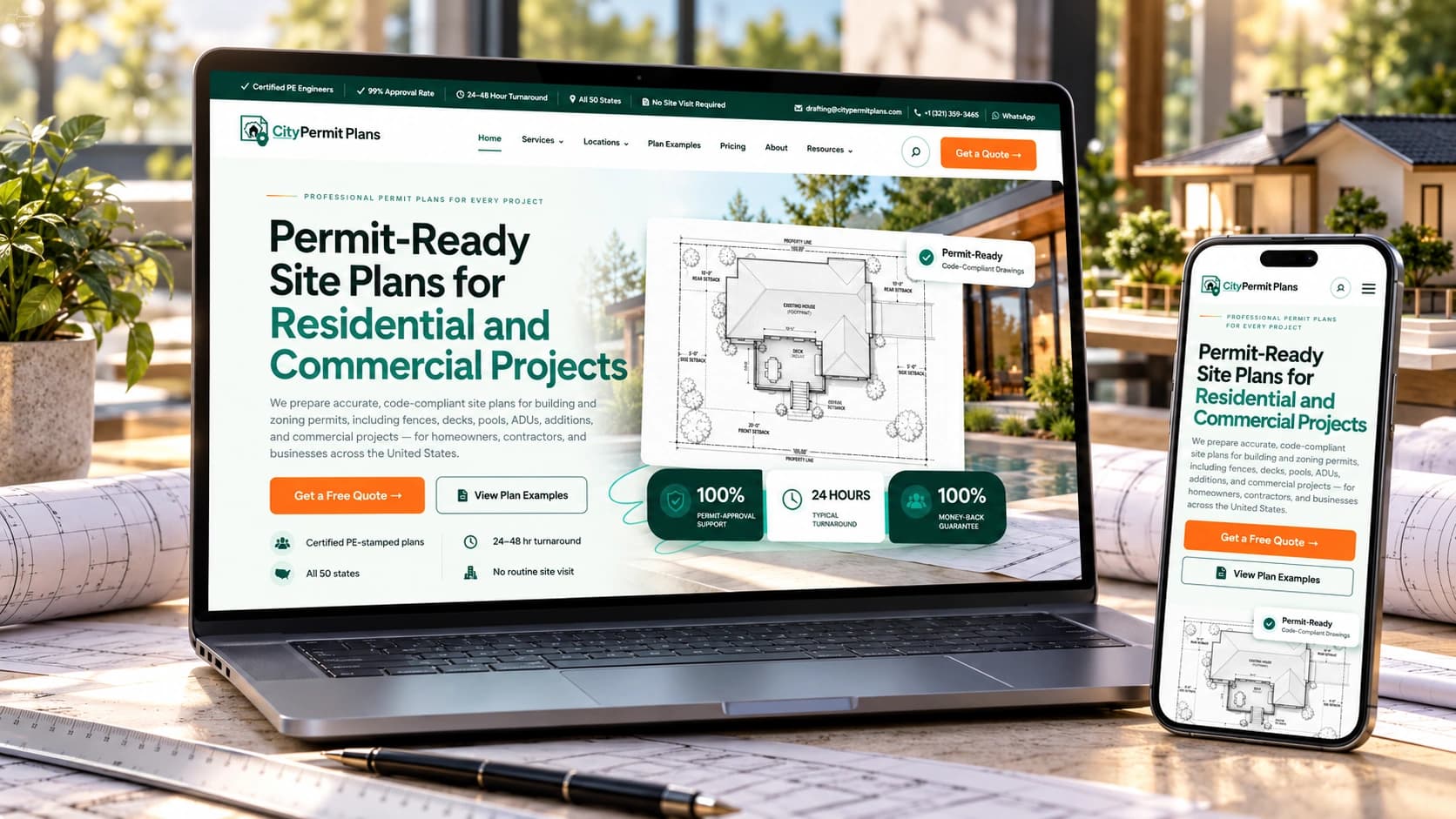
Elementor development can support teams that need visual layout control. Gutenberg development uses WordPress blocks and patterns for a native publishing workflow. Custom blocks or structured fields can provide a narrower editing experience where brand consistency matters.
The choice depends on who edits the site, how often content changes and which layouts recur. We define the content your team should control and the design rules that should stay shared. Neither a page builder nor a custom theme guarantees a fast website by itself; the assets, scripts, hosting and implementation still matter.
Discuss this requirementPreview only. Your changes stay in this demo.
Built to be understood and used
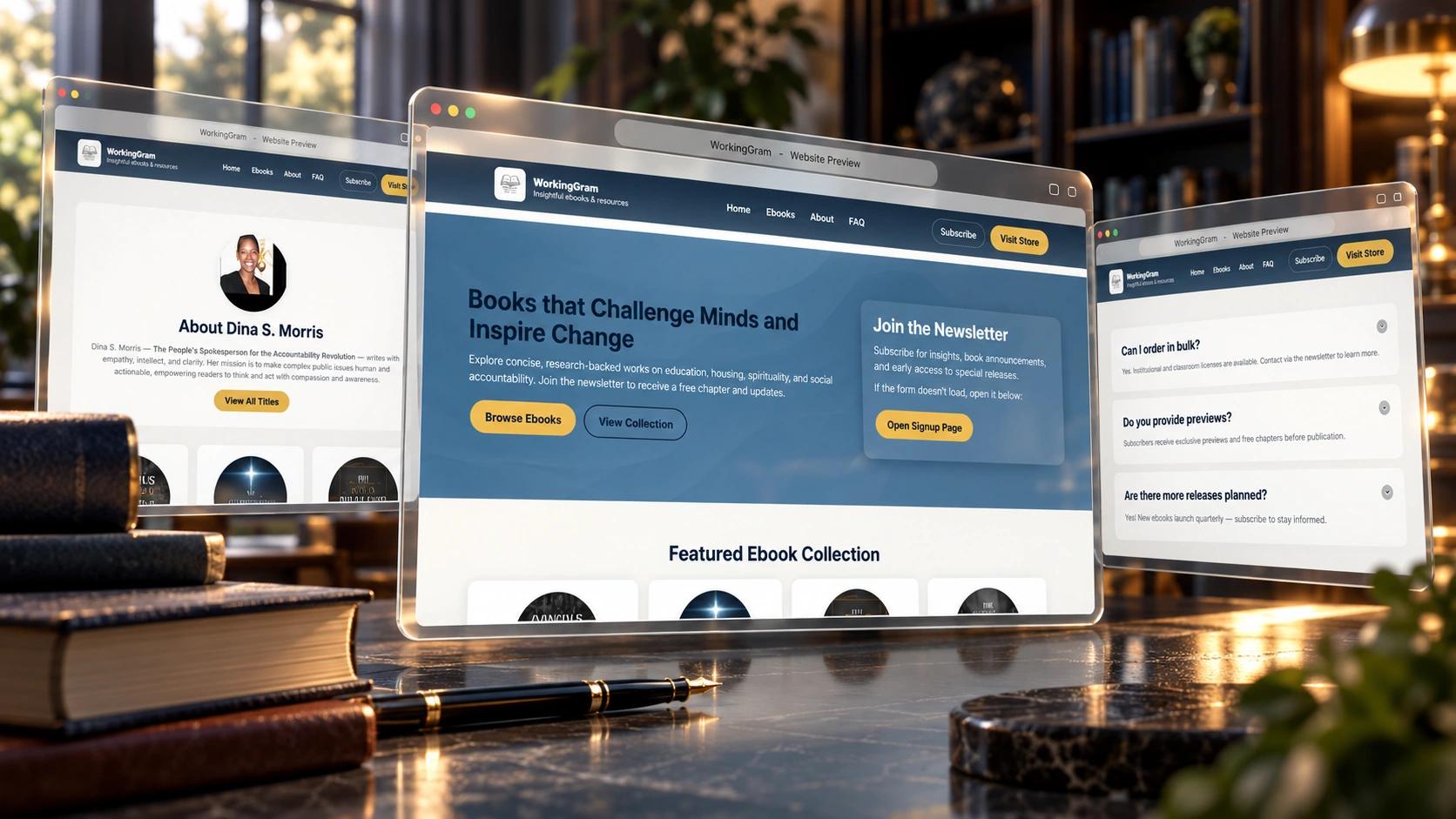
An SEO-friendly WordPress website needs useful content, a clear structure and a dependable experience. Development establishes the foundation; ongoing search visibility also depends on your content, competition and wider SEO work.
Clear information architecture
We plan descriptive page URLs, logical headings, internal links and editable metadata around the information your customers need. The agreed technical SEO scope can also include canonical tags, XML sitemaps, crawl controls, image handling and relevant structured data.
Search settings need checking at launch, especially when staging environments use indexing restrictions. Structured data should describe the visible content accurately; installing an SEO plugin alone does not make a page relevant or guarantee a search result. For ongoing research, content and optimization, explore our SEO services. Google’s Search Essentials provides the underlying guidance on helpful content and search eligibility.
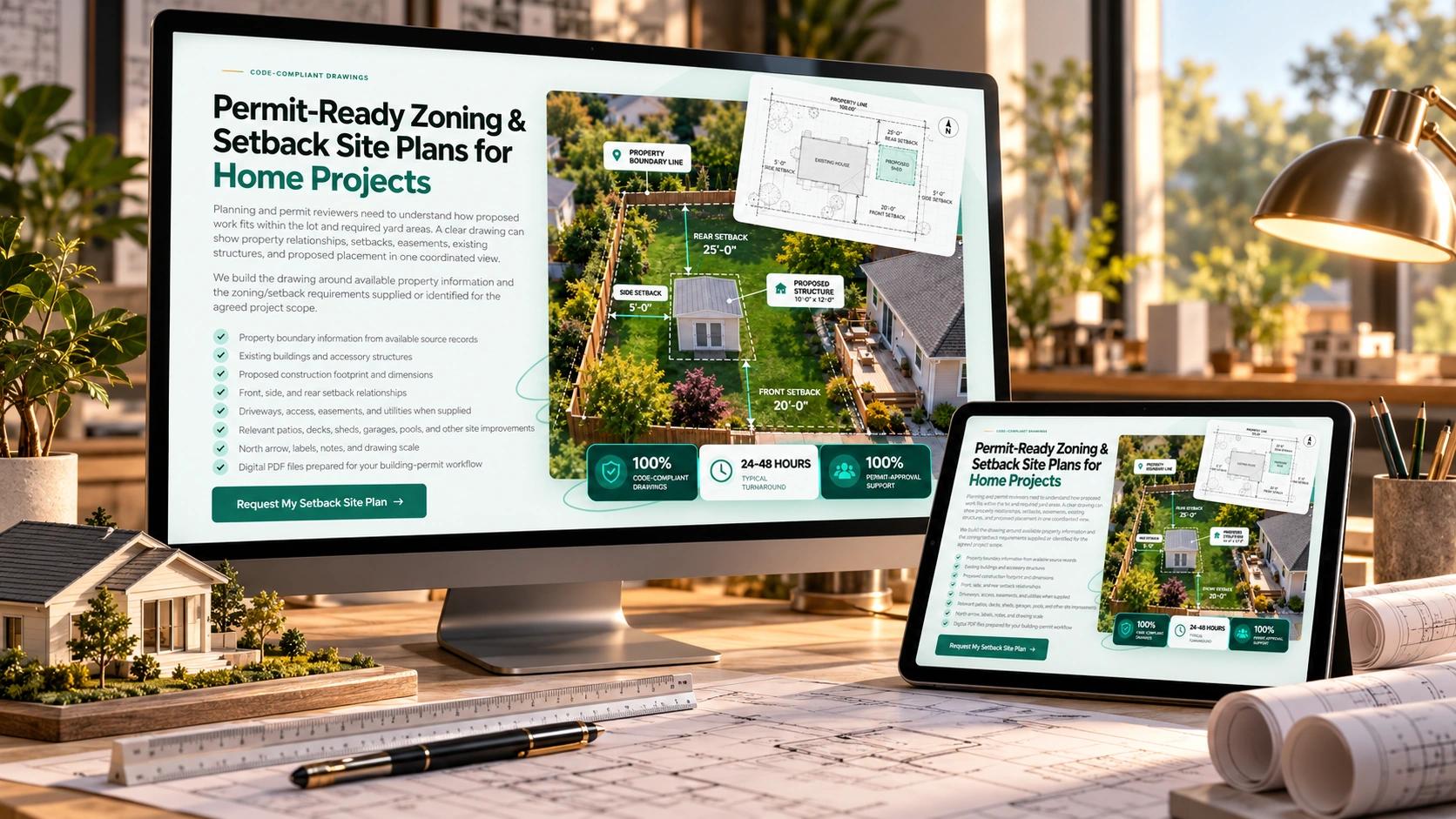
Explore how a clear structure connects related pages.
Performance-minded delivery
A slow website needs diagnosis before another optimization plugin. We examine server response, image sizes, theme output, caching, scripts and third-party tools to identify what is affecting the experience. Changes should be measured against a recorded baseline and checked on representative pages.
Core Web Vitals cover loading performance, interaction responsiveness and visual stability through LCP, INP and CLS. Lab tests help investigate problems; available field data helps assess the experience of real visitors. These are useful quality signals, not a guarantee of rankings or sales. See Google’s Core Web Vitals documentation.
Illustration only—not a speed test or measured result.
Every screen considered
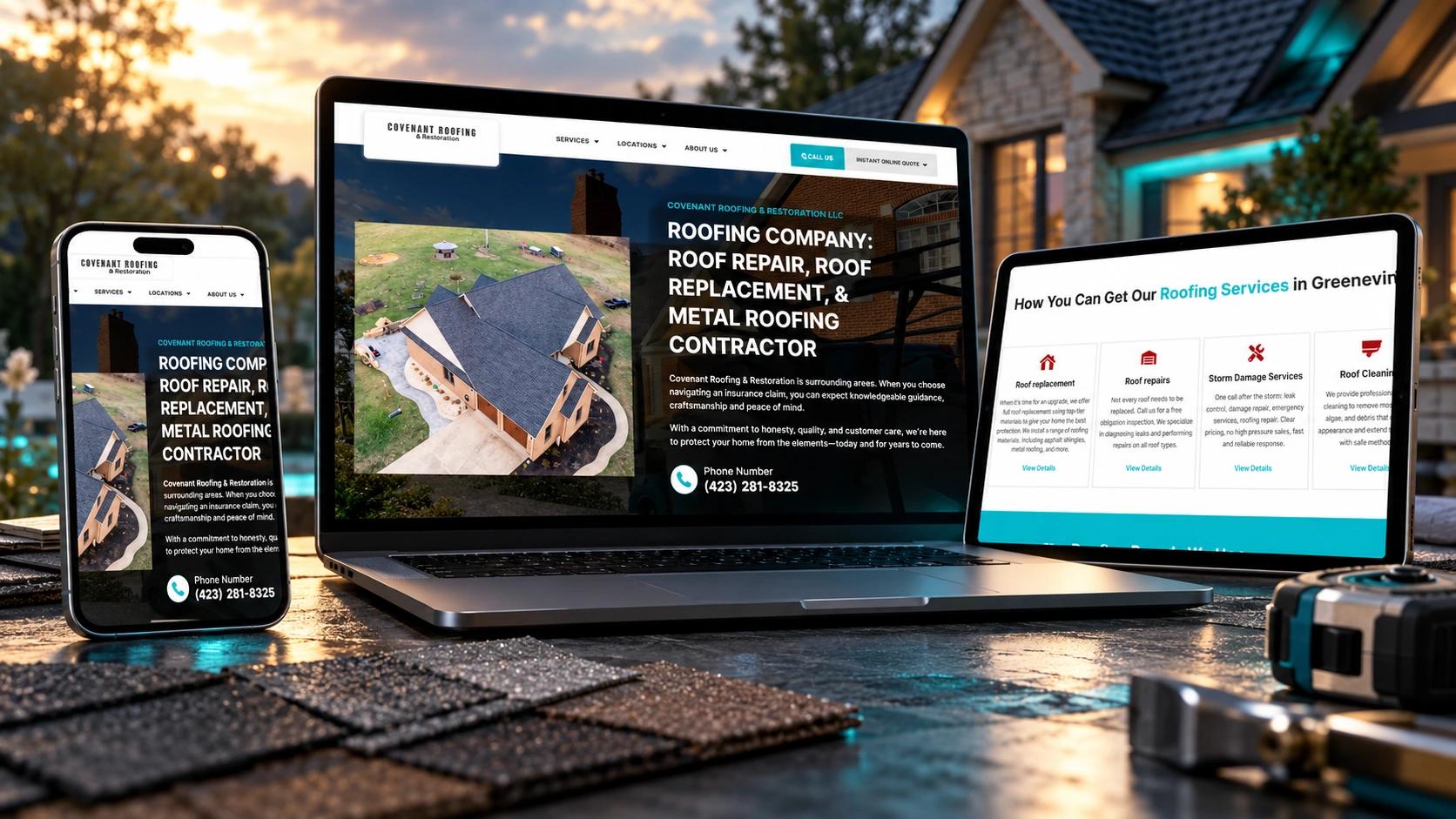
Responsive WordPress development should consider the whole journey: navigation, readable text, product information, forms and confirmation states. A page that fits a small screen still needs controls that are comfortable to use and a message that remains clear.
We consider semantic structure, labelled fields, visible keyboard focus and appropriate colour contrast as part of implementation. Accessibility requirements and any formal audit should be agreed in the scope. Conversion-focused design means reducing confusion and making the next action clear; a claim of higher conversion rates requires measured evidence from the actual site.
Protect the work you already have
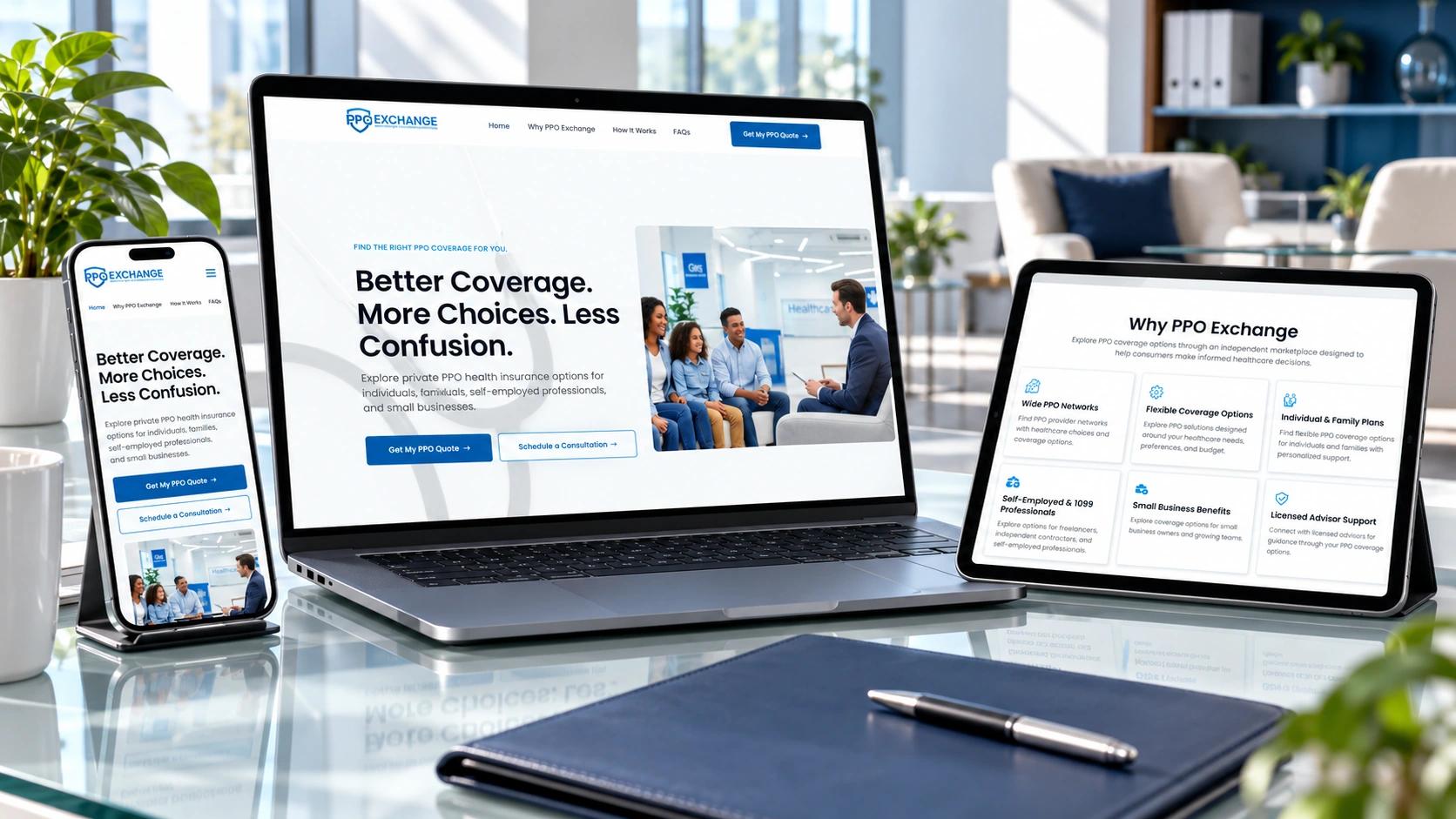
A new launch should account for the current website and the people who will maintain the next one. We clarify what moves, what changes and who is responsible after handover.
Continuity through change
Start with an inventory of pages, media, forms and connected systems. Identify the URLs that need to remain available, then map appropriate destinations where the structure changes. Content quality and existing search visibility help inform what should be retained, consolidated or rewritten.
The launch plan can cover backups, staging checks, redirects, canonical URLs, internal links and sitemap updates. Search visibility can fluctuate during a site move, so monitoring matters after launch. Our approach follows the considerations in Google’s site migration guidance. Explore our website redesign service if the main issue is the experience rather than the platform.
Discuss this requirementIdentify the content, media and URLs worth carrying forward.
A maintainable foundation
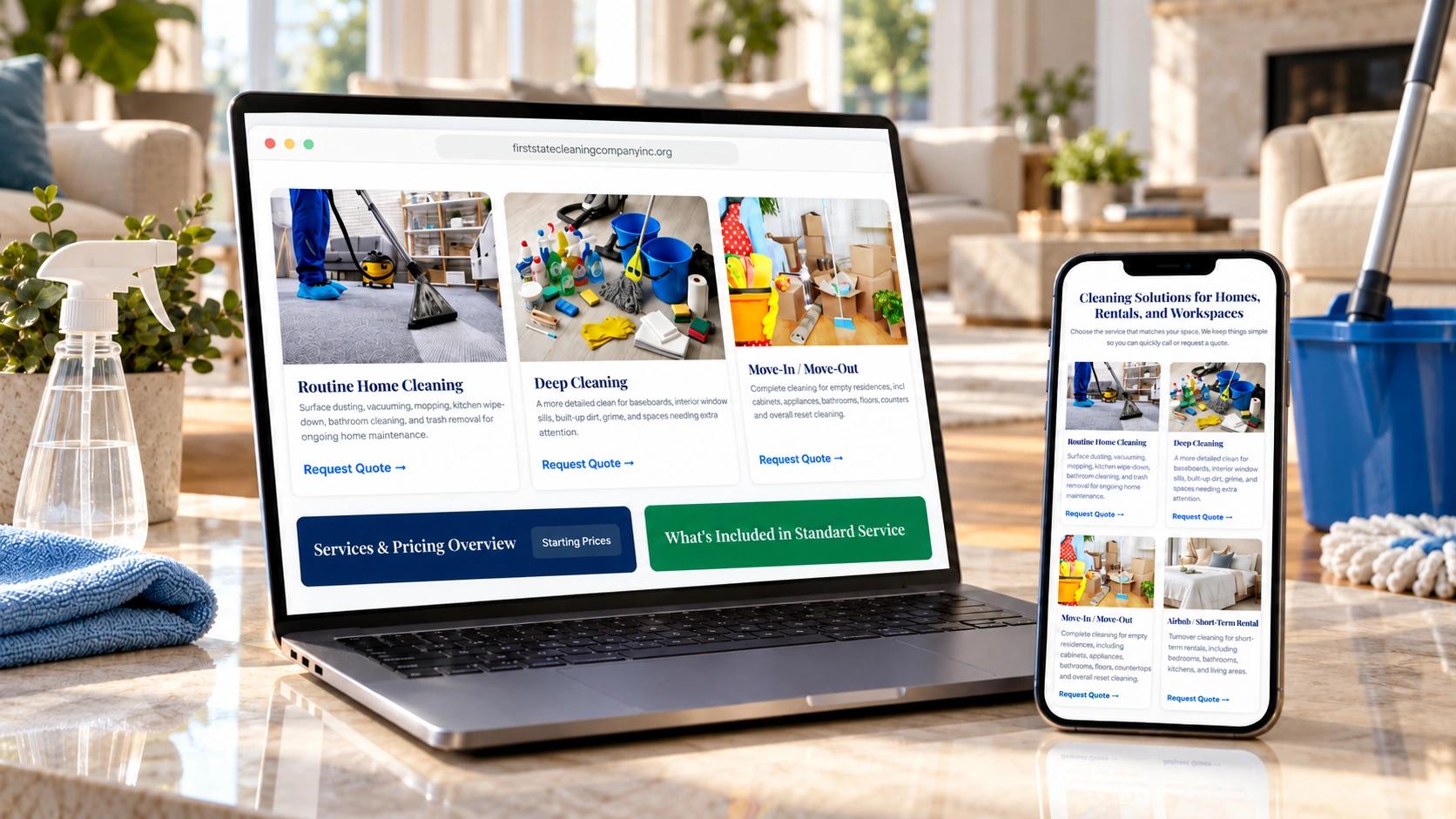
WordPress maintenance can include core, theme and plugin updates, backups, monitoring and fixes. The responsibilities and frequency should reflect the site’s complexity, hosting arrangement and business requirements. An update process should account for compatibility checks and a way to recover if something breaks.
Support also needs boundaries: included development time, response arrangements, third-party licenses and hosting responsibilities should be written into the plan. A store with active transactions has different operational needs from a small brochure website. We discuss these needs before recommending ongoing WordPress support.
Discuss this requirementTry a release checklist. These are example tasks, not a live site audit.
Care beyond launch
Security-conscious development includes sensible user permissions, careful handling of inputs and trusted, maintained dependencies. Keeping WordPress, themes and plugins current is a continuing task, alongside backups and appropriate hosting controls.
We clarify who manages access, updates, backup storage and recovery after launch. No website should be described as completely secure, and a security plugin does not replace a maintenance process. WordPress’s security administration guidance explains why both the application and its environment need attention.
Discuss this requirementSimplified role illustration. Actual permissions depend on configuration.
Choose with clarity
A useful proposal explains the decisions behind the price. Before choosing a WordPress development company, ask how the team will handle the content, editing workflow, integrations and launch—not only how the homepage will look.
Discuss your website requirementsBefore we build together
The scope can include discovery, sitemap planning, custom responsive design, theme or template development, CMS configuration, content entry, forms, integrations, testing and handover. A small service website and a complex WooCommerce store need different deliverables. We list the included templates, features, review stages and exclusions in your proposal so you can compare the scope rather than only the headline price.
We can review an existing setup before recommending customization, replacement or a rebuild. The decision depends on the quality of the current code, compatibility, licensing and how far the requirement differs from the existing functionality. Changes should preserve a maintainable update path. We explain any dependency on premium extensions or third-party subscriptions before implementation.
Access and ownership arrangements should be explicit in your proposal. Clarify who controls the domain, hosting, WordPress administrator account, analytics and third-party services, and which materials or licenses are transferred. Premium themes, plugins, fonts and stock assets may have their own license terms. We discuss the access and handover your team needs before launch.
We review the available API, existing connectors, authentication requirements and the information that needs to move between systems. The integration scope should define field mapping, consent requirements where relevant, error handling and testing. A maintained plugin may be sufficient for a standard workflow; a custom plugin or API integration may suit a more specific requirement.
Avenzo’s Essential starting point is $499+ for up to five core pages. Growth starts at $1,499+ for a broader custom website. WooCommerce, migrations, custom plugins, content work and complex integrations need a scoped quote. Hosting, domain renewal, paid licenses and ongoing maintenance should be agreed separately unless the proposal includes them.
The schedule depends on the number of templates, content readiness, integrations, migration work and review rounds. We confirm milestones after discovery, including when your team needs to supply content or approve designs. A dated plan is more useful than promising the same timeline for every project.
Elementor can suit teams that want visual layout control. Gutenberg uses native WordPress blocks and patterns and can suit a more structured publishing workflow. A custom theme or custom blocks can support specific design and content requirements. None of these choices guarantees speed by itself; implementation, assets, plugins and hosting also matter.
We can plan the redesign to reduce migration risk by reviewing existing content, important URLs, internal links and metadata. Where URLs change, we map suitable redirects, test the new site on staging and check the launch. No agency can guarantee unchanged rankings, and temporary search fluctuations can happen during a move.
That is part of the build plan. We identify the content your team needs to manage, then configure templates, blocks or fields around those tasks. The handover covers everyday editing and the parts that should remain controlled, such as shared layouts and integration settings.
Yes. Scope can include product and category layouts, cart and checkout experiences, payment and shipping connections, CRM integrations and custom plugin or API functionality. We review the systems involved before recommending whether an established extension or custom development is appropriate.
The agreed scope can cover semantic page structure, editable metadata, crawlability, internal links, image handling, relevant structured data, redirects and analytics. These foundations help search engines and visitors understand the site; they do not guarantee a ranking position. Ongoing content and SEO work may need a separate plan.
We first investigate hosting response, theme behavior, plugins, images and third-party scripts. Then we prioritize fixes and compare performance before and after. Lab tests are useful for diagnosis, while field data, when available, shows how real visitors experience loading, responsiveness and layout stability.
We provide the handover and support agreed in your proposal. Maintenance can include updates, backups, monitoring, fixes and development time, depending on the plan. Hosting, premium licenses and ongoing support responsibilities should be clear before launch.
Share your current website if you have one, the main business goal, the pages or functionality you need, and any important integrations. A budget range and target launch window also help us recommend a realistic scope. You do not need a finished technical brief to start the conversation.
Your next chapter
Bring your goals, your questions and your current website. We’ll help you work out what comes next.
Start the conversationA clear path from our first conversation to a website that keeps improving.
Understand your business, your audience and what your website needs to do.
Bring strategy, content, design and development together around your goals.
Test the details, connect your tools and take your new website live.
Keep refining your website as your customers and your business evolve.
Pick a book. Explore the business, the thinking and the website we built.
Compare WordPress Development packages. Prices are in USD; inclusions and listed extras vary by package. Confirm your scope with our team before getting started.