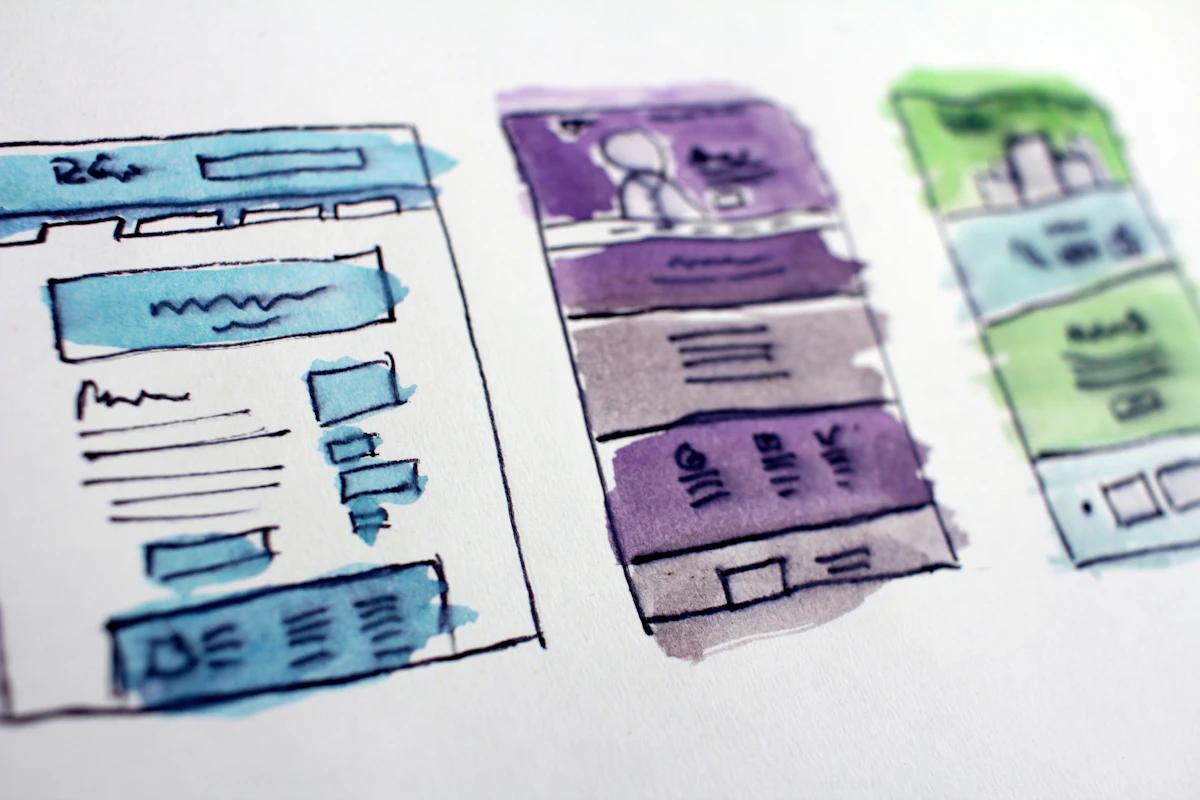
A design that feels like you
Custom art direction, thoughtful page layouts and a visual system built around your brand.
- Brand direction
- UX & UI
- Responsive design
Website design & development
Built by Avenzo. Made for your business.Move across the page to explore our work.
We design and build websites that make your business easier to understand, easier to trust and easier to choose.
More than a new look
It should explain what you do, build confidence and make the next step feel natural. We bring strategy, design and development together to make that happen.
Custom art direction, thoughtful page layouts and a visual system built around your brand.
Dependable WordPress or Next.js development, with the tools and integrations your team needs.
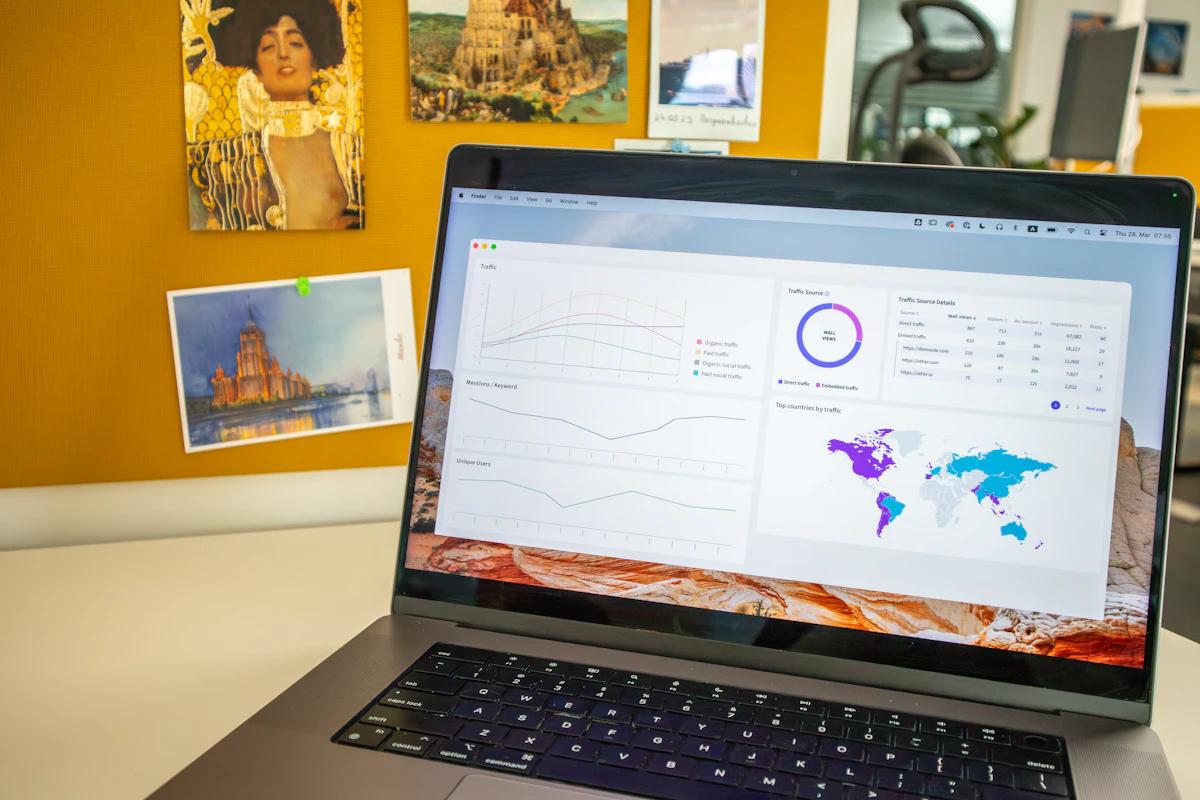
Search-friendly structure, clear content and considered conversion paths from the very beginning.
Website design & development services
A successful website connects your message, design and technology. We help you plan the work as one experience, with the deliverables agreed before development begins.
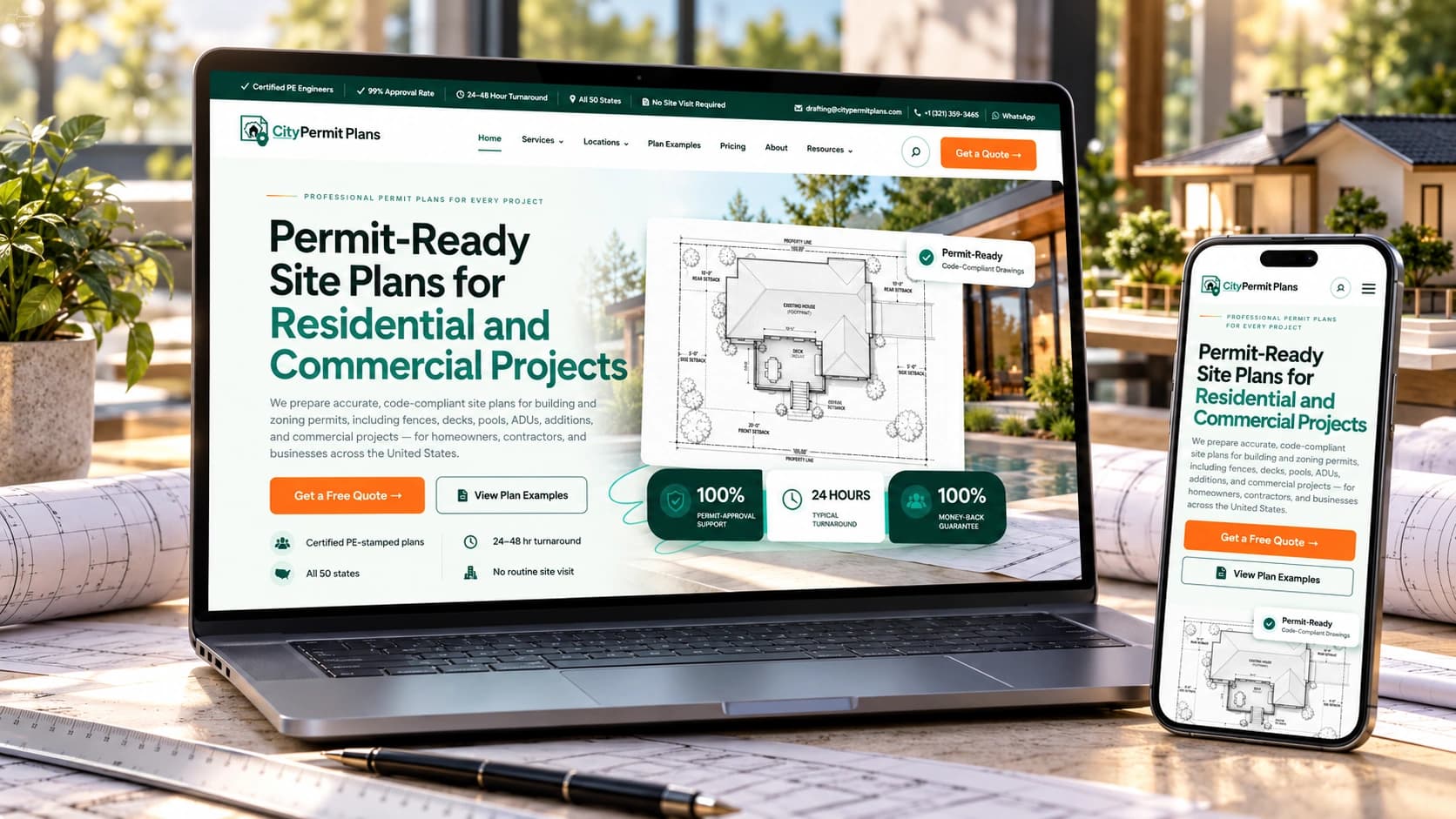
Find the direction
Before choosing a layout, we work out what visitors need to understand and what your business needs the website to do. That means planning the sitemap, page priorities and the route from a first visit to an enquiry or purchase.
A useful starting point: your audience, offer, existing content and the questions customers ask before they buy.
Shape the experience
We shape the visual direction, navigation and page layouts around your brand and content. Desktop and mobile decisions belong in the design process, including readable typography, comfortable controls and forms that are easy to complete.
The goal is a consistent experience that helps people understand your business and take the next step.
Connect the system
Your approved design becomes a working website with the content tools and integrations agreed in the scope. We consider reusable sections, editing permissions and how your team will manage service pages, articles and other recurring content.
Discuss your CRM, booking system, forms or other tools early so their requirements shape the build.
Make the next step easy
For online stores, we plan how customers discover products, compare options and move through checkout. Product data, collection structure, payment providers and delivery rules all influence the experience and the development requirements.
For campaign pages, the same thinking focuses on one clear offer and a relevant, straightforward action.
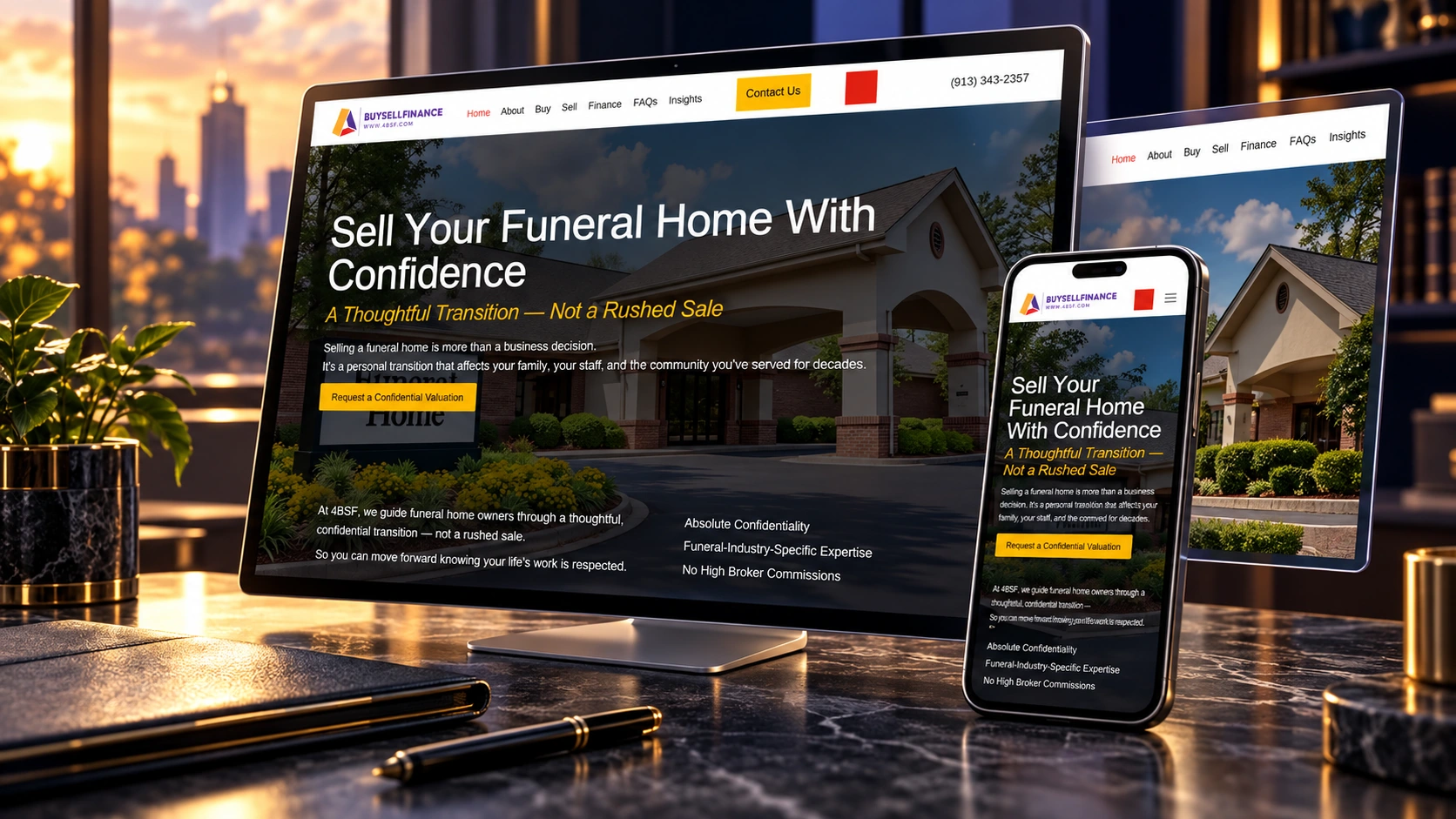
Selected work / Proof in the details
Explore selected portfolio work for its design, structure and customer journeys. These examples do not imply a particular platform or verified business results.
Explore all our projectsDrag to explore · Hover or focus to pause · Select a project to see more
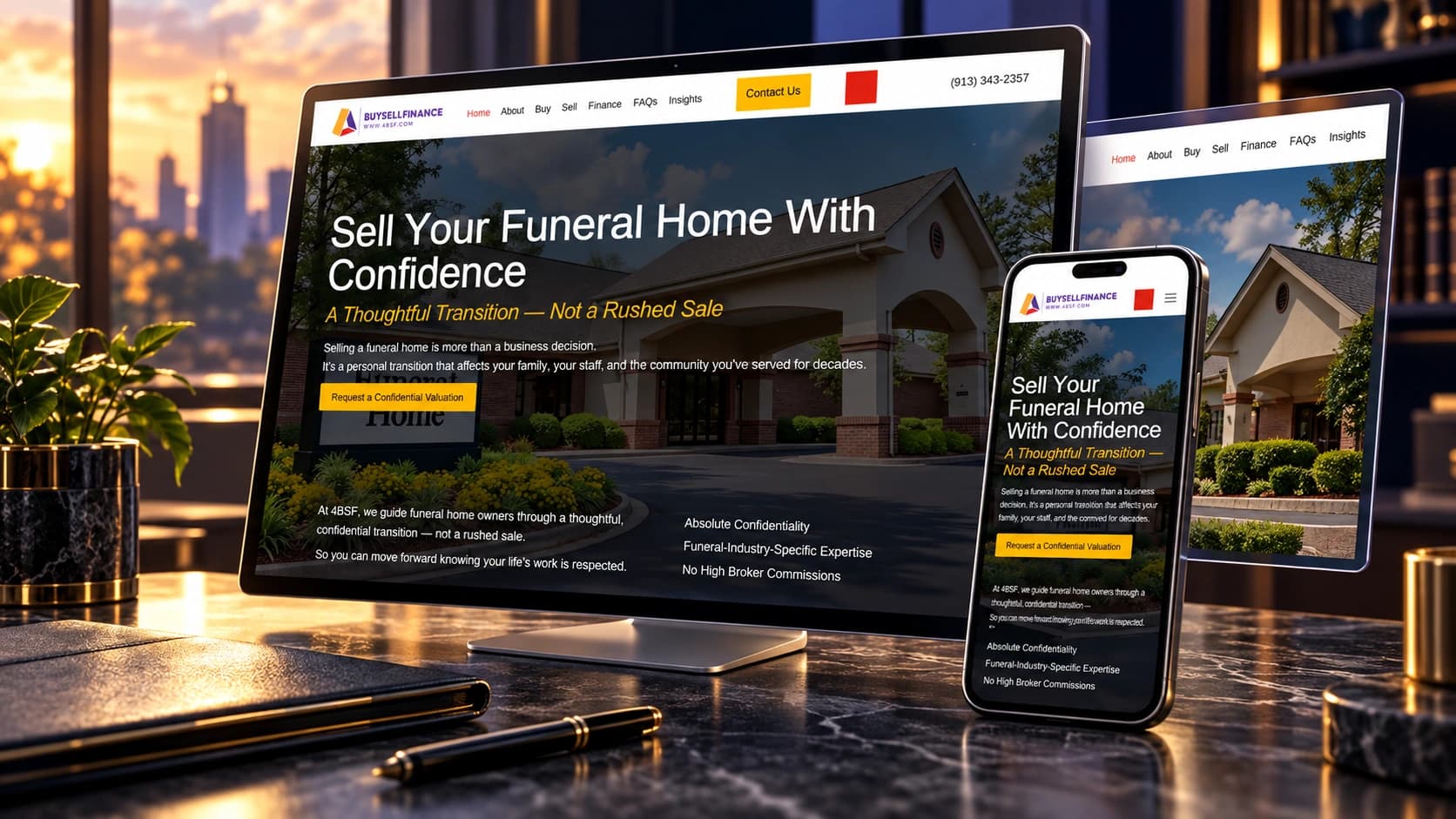 01 / 0602 / 06
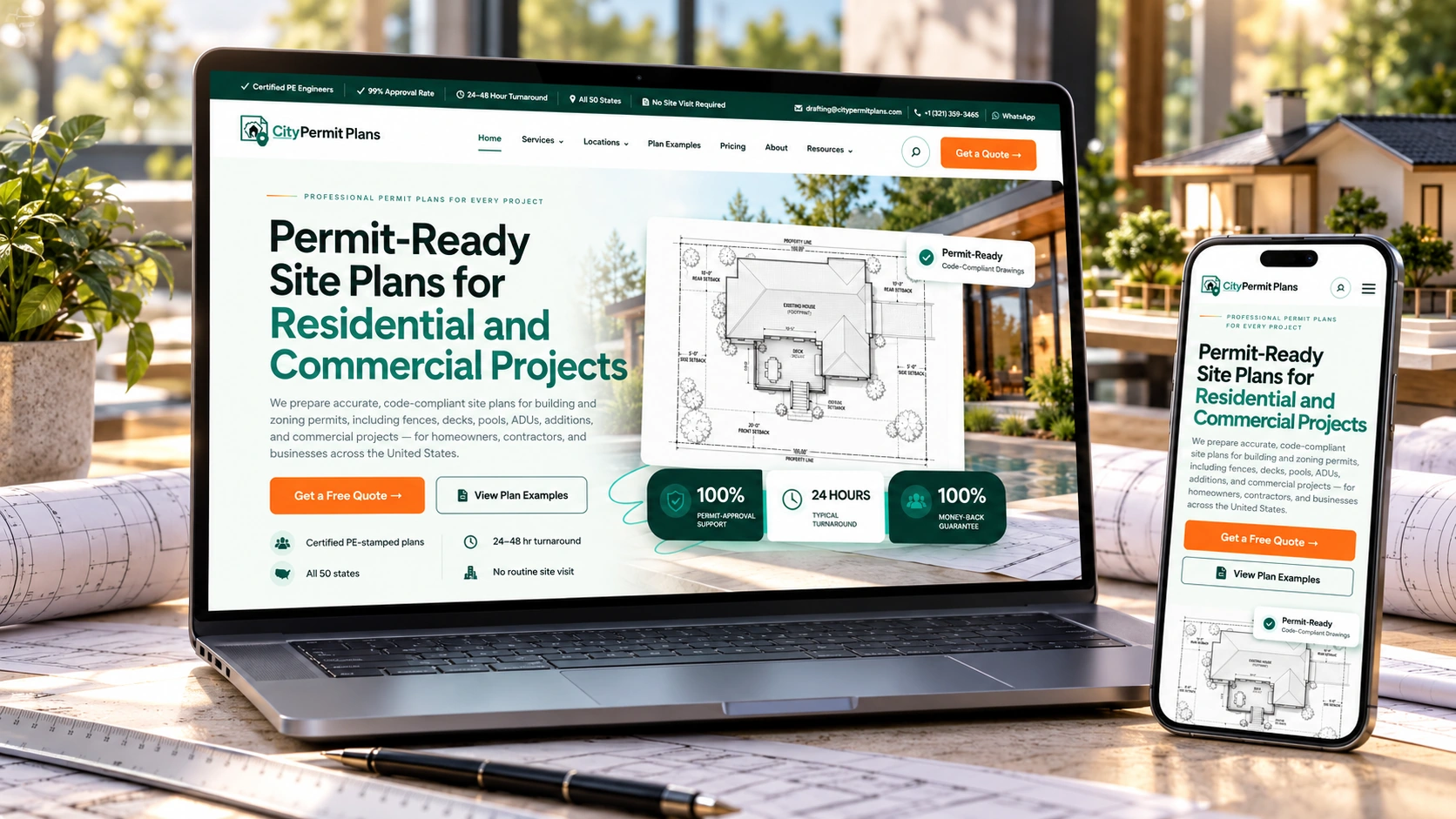
Permit Plans & Architectural Services
Permit-plan service clarity, zoning education & quote conversion
Explore this project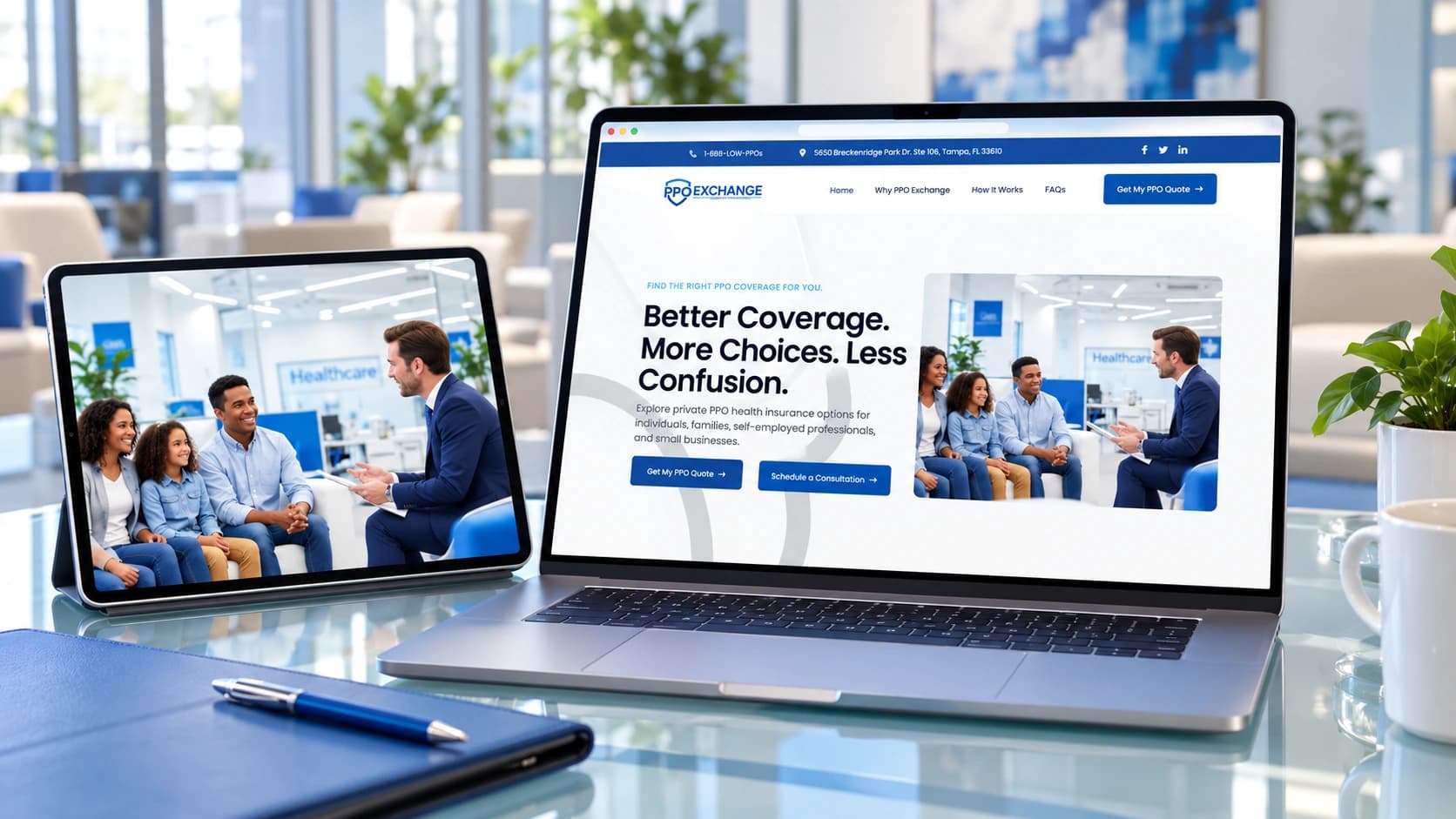 03 / 06
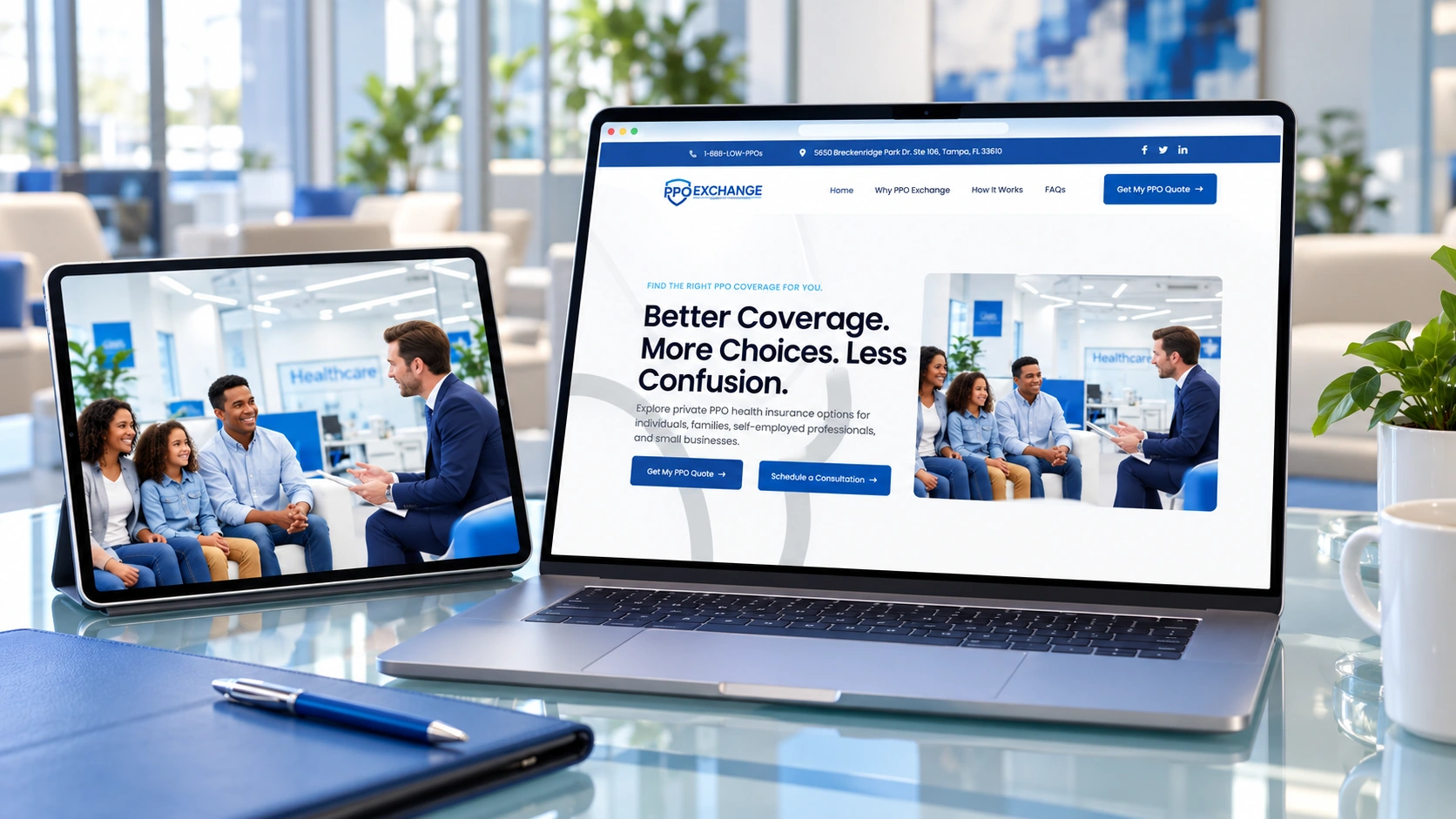
Healthcare & Insurance
Plan clarity, healthcare trust & enquiry conversion
Explore this project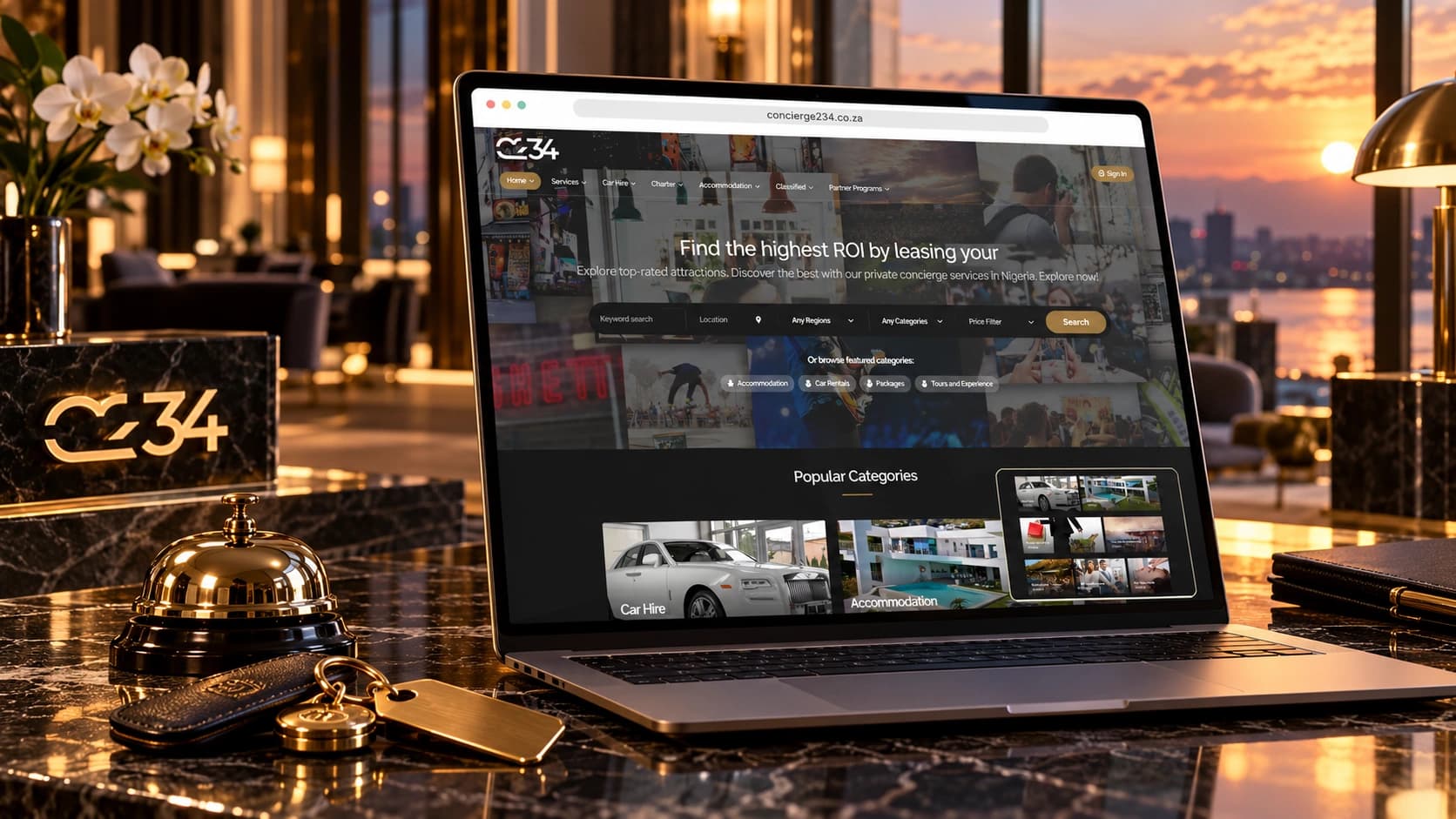 04 / 06
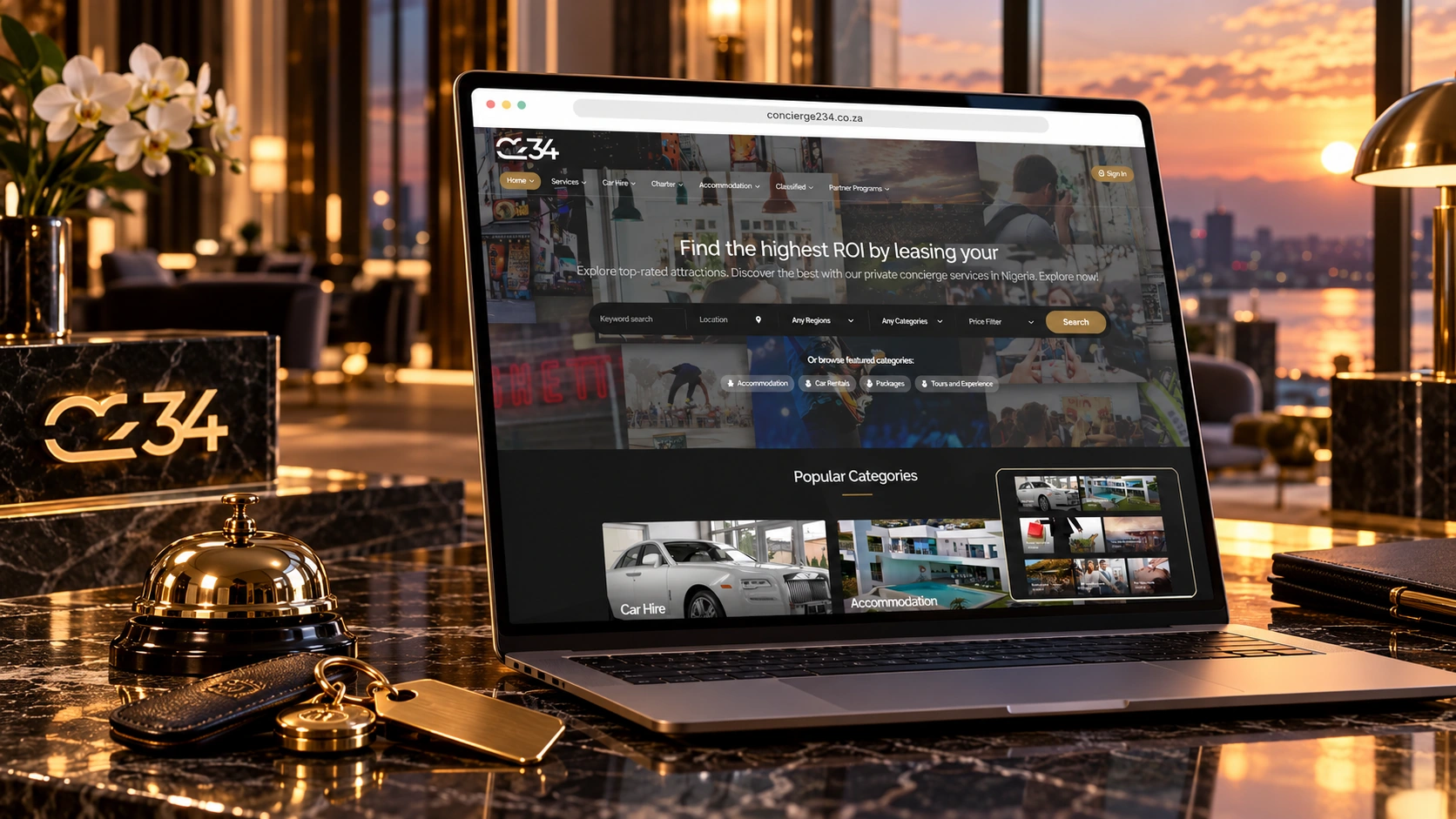
Hospitality & Concierge Services
Editorial presentation, category discovery & premium service browsing
Explore this project 05 / 06
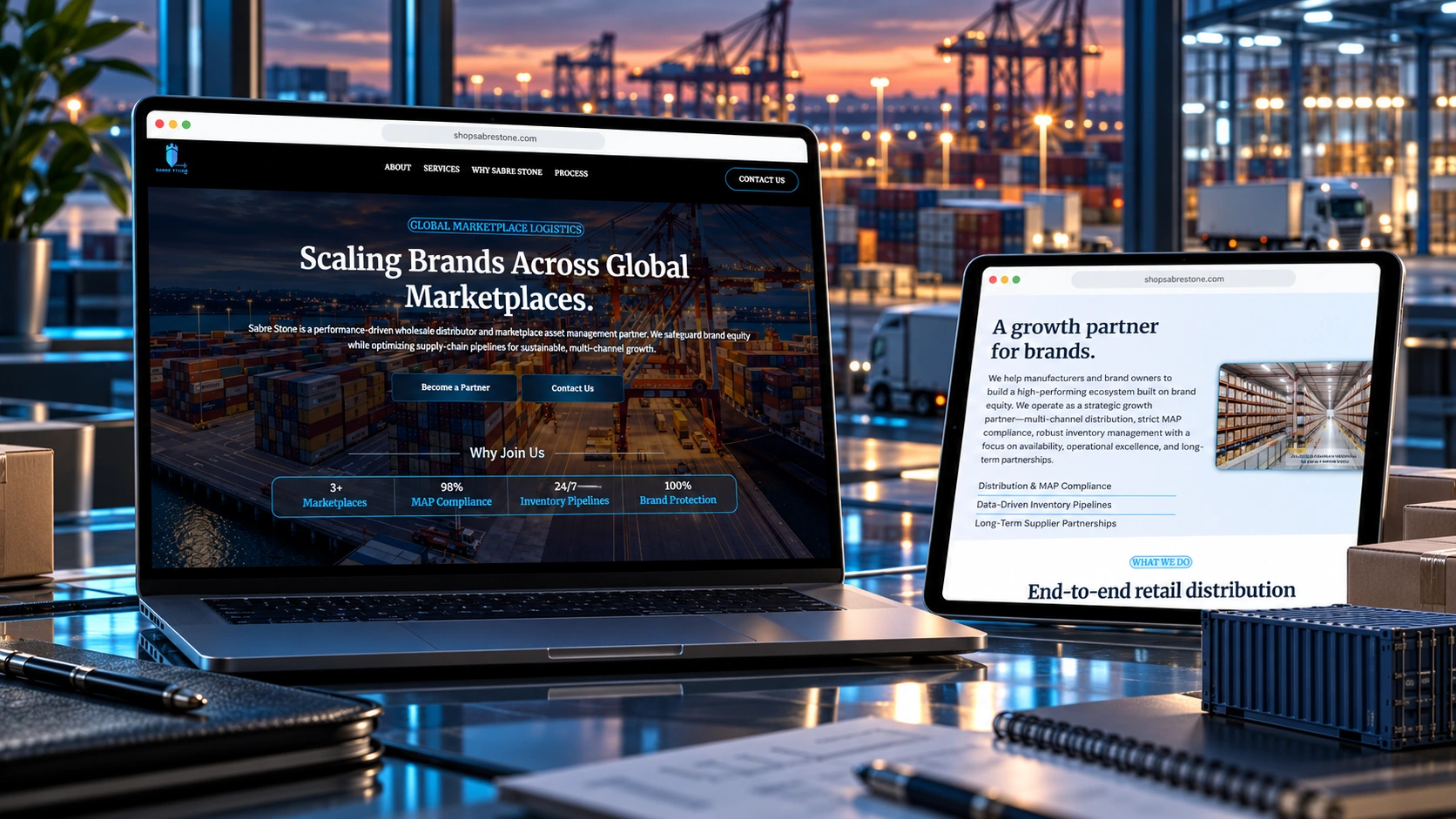
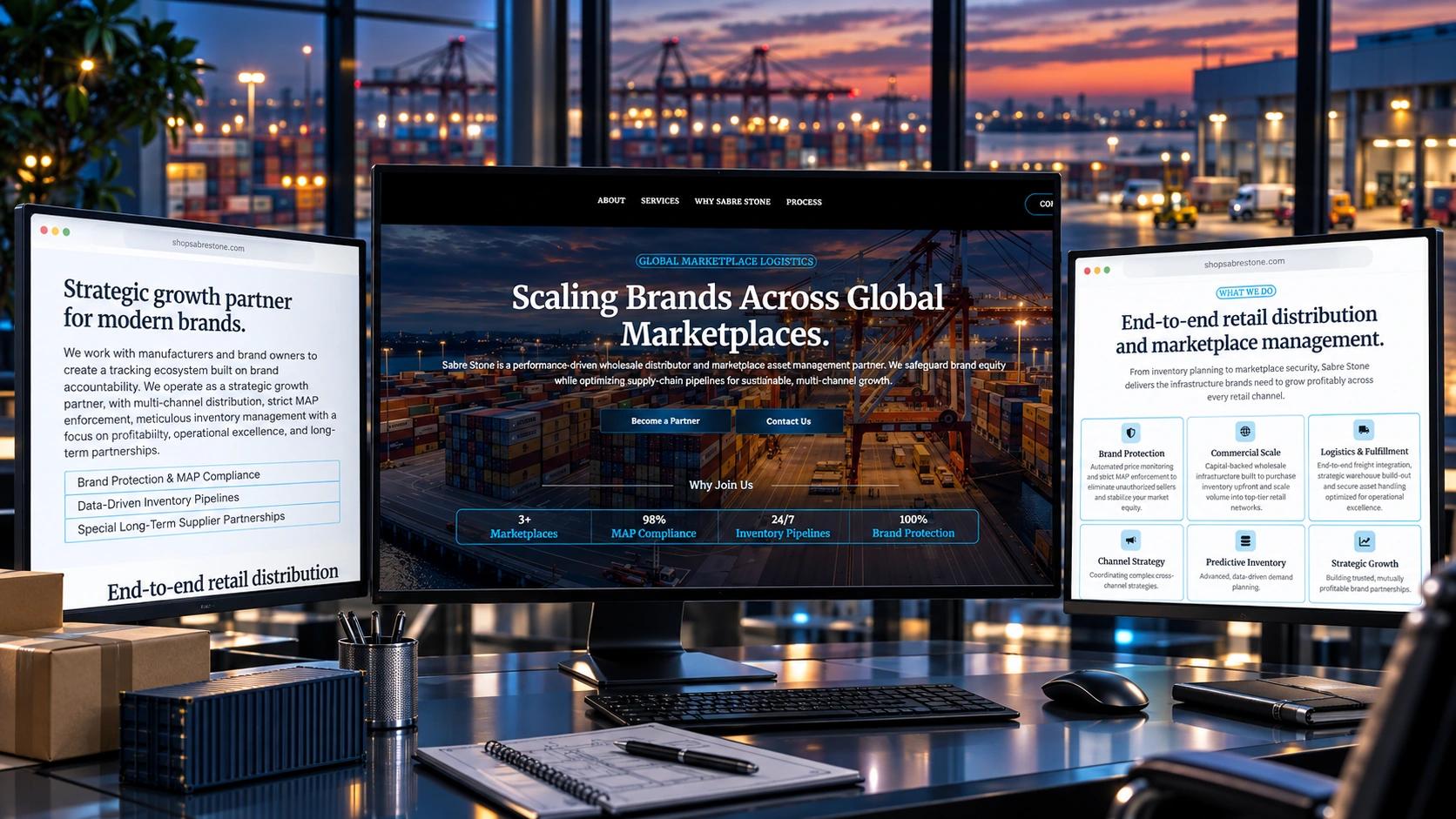
Logistics & Global Marketplace
Global services, marketplace clarity & enquiry conversion
Explore this project 06 / 06
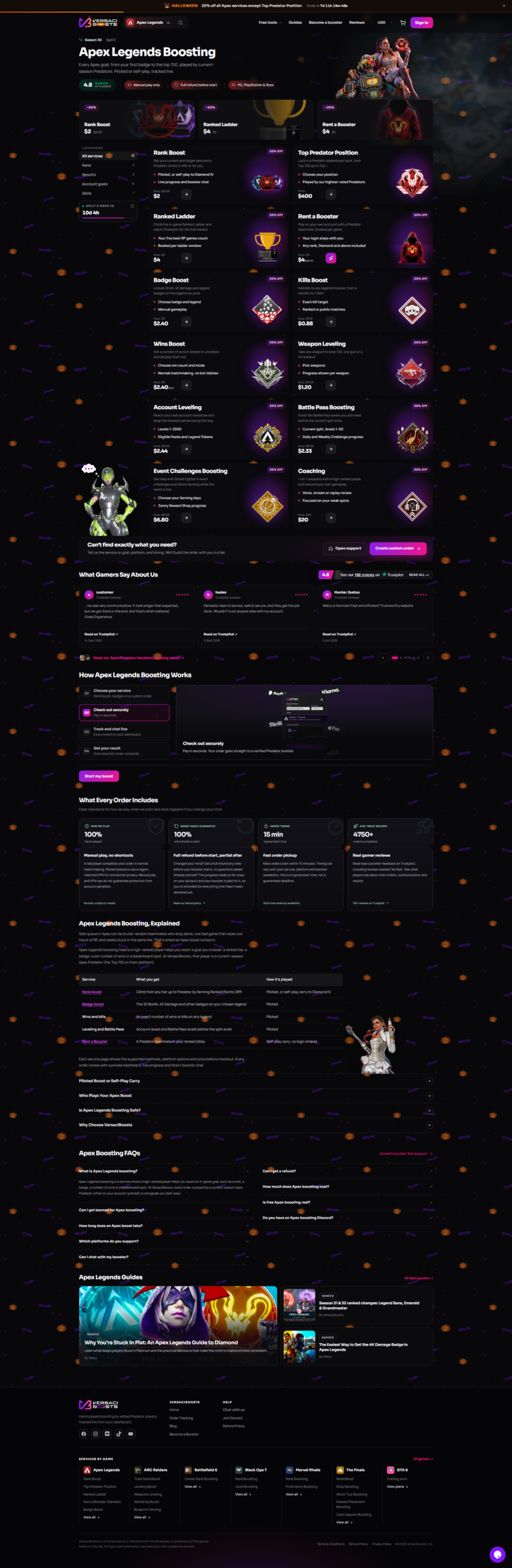
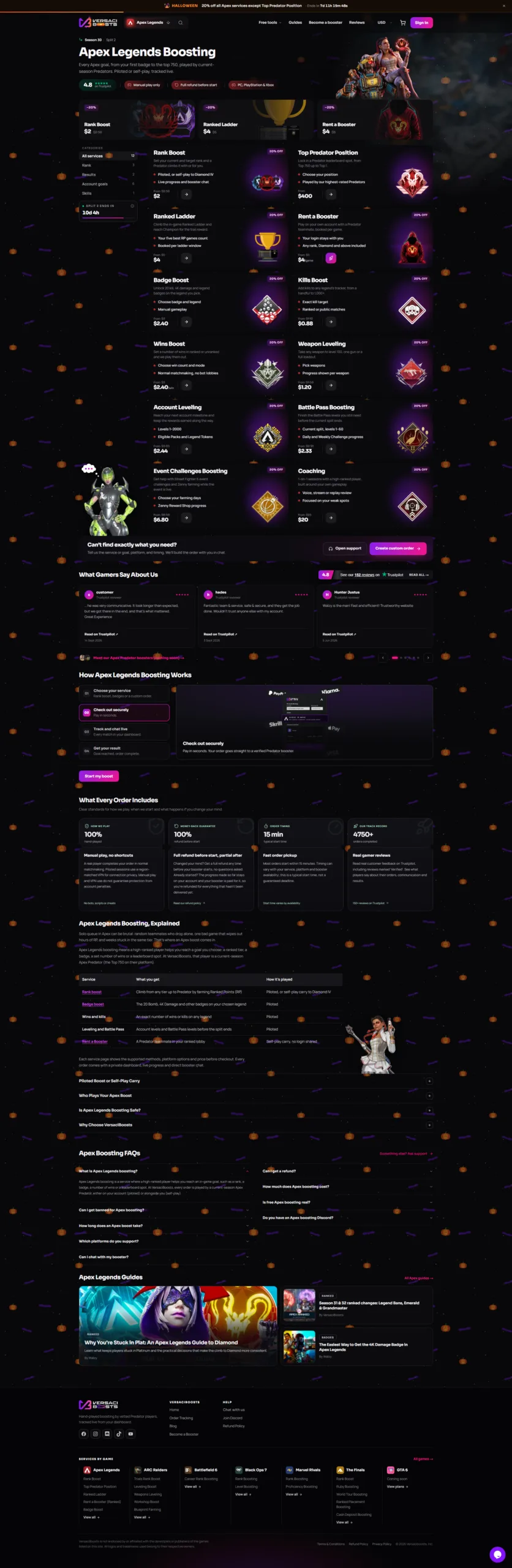
Gaming & Digital Services
Service discovery, product comparison & purchase clarity
Explore this projectChoose technology with a purpose
The right platform depends on your content, features, budget and the people looking after the site. We explain the tradeoffs so the decision supports everyday use as well as the initial launch.
WordPress can suit service businesses, publishers and organisations that need a familiar content management system. Custom templates and reusable sections can help editors add pages without recreating the design each time.
Next.js can suit projects with custom interfaces, structured data and more specialised integrations. A headless CMS can provide the editing layer, while the frontend is developed around the experience your business needs.
Neither platform guarantees a faster site or better rankings. Implementation, hosting, content and ongoing care all matter.
Search, usability and conversion
SEO-friendly website development starts with pages people can understand and search engines can access. We consider the foundations during planning and development, then define any ongoing SEO work separately.
Give each important service a clear purpose and connect related pages with useful internal links. Descriptive headings, page titles and metadata help communicate what a page covers. We plan around real customer questions rather than repeating a keyword in every paragraph.
We discuss crawlable content, canonical URLs, sitemap coverage and indexing controls as part of the technical scope. Relevant structured data should describe what is actually on the page. A launch review should also catch accidental indexing blocks and broken internal links.
Image sizes, third-party scripts, layout stability and interaction responsiveness all affect the experience. Readable text, meaningful labels, visible focus states and reduced-motion support help more people use the site. Specific performance targets and accessibility testing should be agreed for the project.
A visitor still needs to understand your offer, find relevant evidence and complete the next step. We consider service messaging, project examples, contact routes and form friction alongside search visibility.
Redesign without losing the context
A redesign is a chance to fix confusing navigation, outdated messaging and difficult editing workflows. It is also a migration. Existing URLs, useful content and connected tools need attention before the old site is replaced.
Talk about your existing websiteShare your current site, customer feedback and any analytics or Search Console access available for the project. These help identify useful pages and journeys worth preserving.
Account for changing URLs, redirects, content ownership and assets. Plan how forms, integrations and tracking will work on the new site, rather than leaving those decisions until launch day.
Confirm important redirects, navigation and forms, and review indexing and measurement where included. Rankings can fluctuate during a migration; no redesign can promise to preserve every search position.
Your next move
A fresh start, a smarter redesign or a better way to sell. Choose your starting point. We’ll shape the details around your business.
Not sure yet? That’s a good place to start a conversation.
Built around your business
Give your business a home that explains your offer, earns confidence and makes getting in touch feel easy.
From first conversation to launch
You’ll know what we’re working on, what you’re reviewing and what comes next. Four stages, with room for your input at every step.
Discover
We start with your business, customers and existing website. Together, we turn the conversation into a brief everyone can work from.
What we work towards
You agree on the direction before design begins.
Beyond the first impression
Good design gets attention. Thoughtful development makes the experience easier for your customers and your team. We consider both.
Talk through your requirementsNavigation, layouts and forms considered for desktop, tablet and mobile.
Reusable content sections and practical guidance for everyday updates.
Clear page hierarchy, useful metadata and crawlable content from the start.
Key forms, customer journeys and launch requirements reviewed before release.
The visible details and the work behind them. Considered together.
Explore our workPlan the investment
A meaningful estimate starts with the work involved. A brochure website, a content-heavy redesign and an online store need different levels of planning, design, development and testing.
Every requirement shapes the brief
Select what your project might need to see what it brings into the conversation.
Audience, page structure, design and development form the starting point. Add requirements to explore the extra planning involved.
A planning guide, not a price estimate.The number of unique layouts matters as much as the page count. Copywriting, photography, product data and content migration also affect the work. Agree who supplies each asset and when it will be ready.
Bookings, memberships, payments, account areas and CRM connections introduce requirements beyond a standard page. Existing tools, API access and third-party fees should be discussed before the proposal is finalised.
The number of stakeholders, review rounds and approval deadlines influences the schedule. A planned launch date also needs time for testing, content entry, domain changes and handover. We agree the milestones with you rather than promising the same timeline for every site.
A useful first brief
Tell us what your business does, who the website serves, what is not working today and what you want visitors to do. Include your current URL, any must-have features and your preferred budget range or deadline.
After the release
Before handover, clarify who owns the domain, hosting, content and connected accounts. Your team should know how to make agreed content changes and who to contact when a technical issue needs attention.
Maintenance, backups, security updates and ongoing development should have clear responsibilities. For a WordPress build, that includes the theme and plugins; for a custom application, it includes its dependencies and deployment setup. Hosting and support arrangements are confirmed in the proposal.
Once the site is live, review useful measures such as qualified enquiries, form completion, product journeys and search performance. Where measurement is included, agree what will be tracked and how consent requirements will be handled. Use what you learn to prioritise the next improvement.
Discuss handover and ongoing supportA few things you might be wondering
Something else on your mind?
Let’s talk about it
The proposal defines the deliverables for your project. These may include discovery, sitemap planning, custom page design, responsive development, a content management system, agreed integrations, testing and handover. Content creation, photography, hosting, paid software and ongoing support should be confirmed separately rather than assumed to be included.
Responsive layouts are considered during design and development. We review navigation, readable content, images and key forms at different screen sizes. If your customers rely on particular devices or browsers, tell us during planning so we can agree on the testing requirements.
Search-friendly structure and technical foundations can be included in the build scope. Ongoing keyword research, new content, local search work and performance reporting are different activities and should be specified in an SEO plan. A new design does not guarantee rankings or traffic.
We discuss what your team needs to update and choose the content tools accordingly. A CMS can provide reusable sections for agreed page types, with guidance during handover. Some changes, such as new functionality or substantial layout work, may still need a developer.
We review the tools you want to connect, their available integrations or APIs, and the data that needs to move between them. Compatibility, account access, third-party subscriptions and any custom development are checked before the integration is included in the scope.
We agree who is responsible for copy, images, product information and legal pages. Existing material can be reviewed as part of planning. If content development or migration is needed, include it in the scope and schedule so the build is not waiting for essential assets.
It can, especially when URLs, content or site structure change. We plan redirects and content migration where agreed, then check important pages after release. Search performance can fluctuate, and preserving every existing ranking cannot be guaranteed.
Ownership, source access, licenses and account handover are clarified in the agreement. Your domain, hosting, CMS and connected services should have named owners. Third-party themes, plugins, fonts and software may carry their own licenses or renewal costs.
Yes. We review your current design, content, search visibility and customer journeys, then agree on what to keep and what needs to change. Valuable URLs and content are considered as part of the migration plan.
That depends on your content, features and the team managing the site. WordPress offers a familiar editing experience; Next.js supports more custom experiences. We explain the tradeoffs before choosing your platform.
We provide a written proposal after understanding the page count, content, functionality and integrations. You will have a clear scope, pricing and review points before work begins.
The timeline depends on the scope, content readiness and review rounds. We agree on project phases and target milestones with you before starting.
We document account access, source-code handover, content management and any agreed support. Ongoing maintenance or improvements can be scoped separately.
Let’s make something that matters
Tell us what you have in mind. We’ll help you work out what your website needs and where to start.
A little context goes a long way.
By sending this form, you agree to our privacy policy.A clear path from our first conversation to a website that keeps improving.
Understand your business, your audience and what your website needs to do.
Bring strategy, content, design and development together around your goals.
Test the details, connect your tools and take your new website live.
Keep refining your website as your customers and your business evolve.
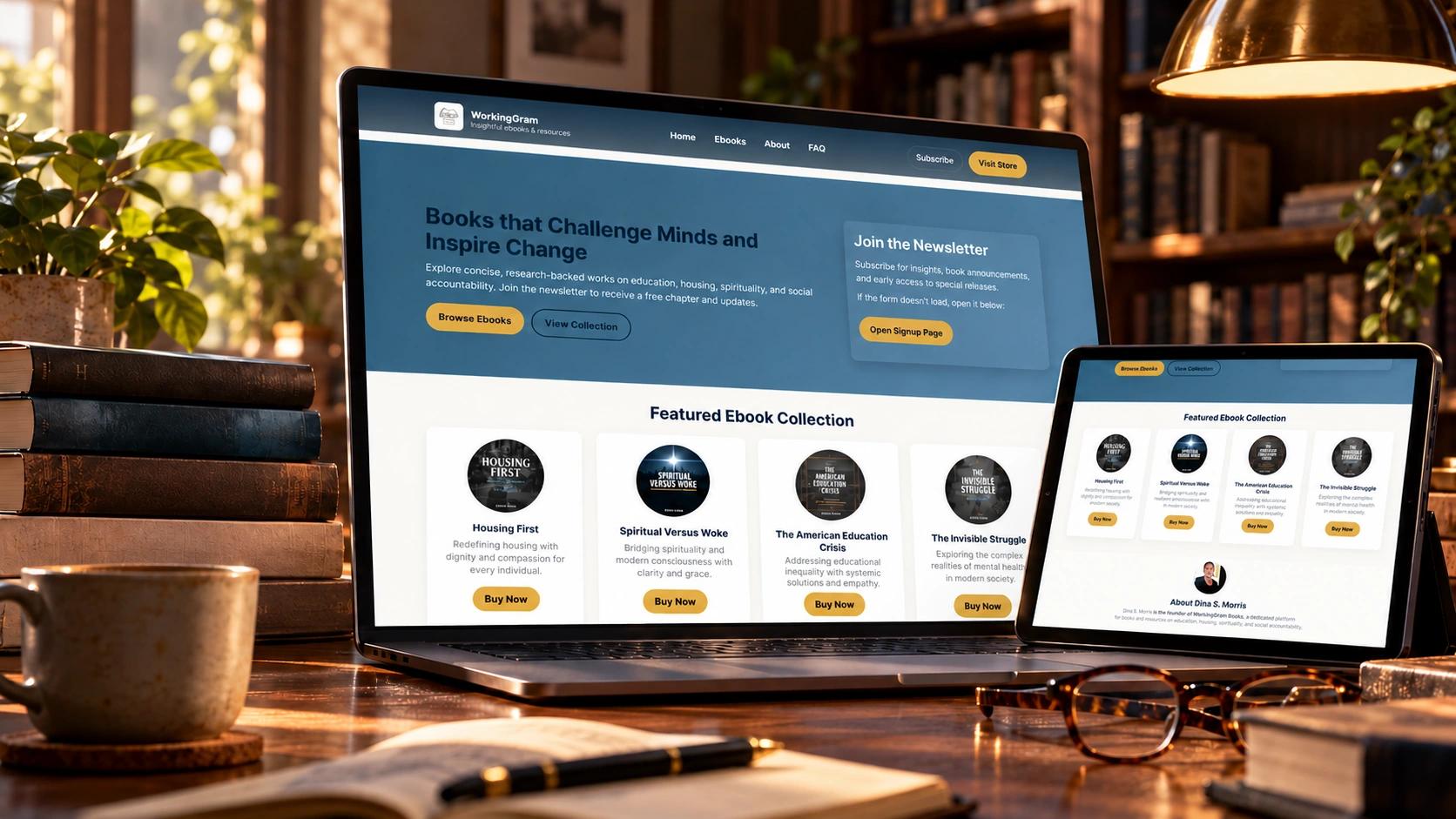
Pick a book. Explore the business, the thinking and the website we built.
Compare Website Design packages. Prices are in USD; inclusions and listed extras vary by package. Confirm your scope with our team before getting started.